The Eternal Flames of Jwala Ji Temple: A 500-Year Mystery of Faith and Science
India is a land steeped in mystique, where every region whispers tales of faith and devotion that transcend logic and science. One such enduring mystery has been burning brightly for more than five centuries, standing as a powerful symbol of divine presence at the sacred temple of Goddess Jwala Ji in Kangra, Himachal Pradesh. What makes this flame an enigma is its ability to burn without any oil or wick, marking it as one of the most unique Devi shrines in the world. Let us delve into this fascinating story.
The Temple of Divine Flames
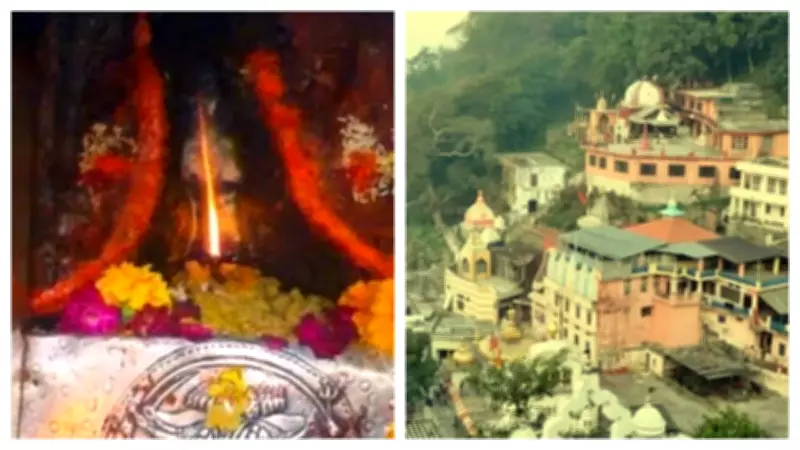
Nestled in the lush-green lower Himalayas of Kangra district, the divine abode of Jwala Ji is revered as one of the most powerful Shaktipeeths across India. This temple holds a profound spiritual and scientific mystery in the form of constant-burning flames. Within its sanctum, nine distinct flames flicker, each representing a different form of the Goddess, including Mahakali, Durga, Annapurna, and Saraswati.
Unlike traditional Hindu temples where lamps are lit with oil or ghee, the eternal flames of Jwala Ji Temple emerge directly from cracks in ancient rocks. These self-manifested flames have been burning for centuries, untouched by human hands. The temple is honored as one of the 51 Shakti Peethas, where it is believed the tongue of Goddess Sati fell. Since that mythical event, the physical manifestation of the divine has been perceived in the form of these unwavering flames. While science offers alternative explanations, devotees and mythology weave tales of devotion and faith that have been etched into hearts for generations.

Beyond Faith: The Scientific Perspective
From a scientific viewpoint, the burning flames at Jwala Ji are often attributed to natural gas emissions, though the exact source remains a subject of ongoing research. Experts suggest that the temple sits atop a subterranean pocket of natural gas, primarily composed of methane mixed with other hydrocarbons. This gas seeps through the porous sandstone of the Himalayan foothills.
When these gases come into contact with oxygen at the surface, they ignite into flames. While natural gas seeps are found in various parts of the globe, the consistency and longevity of the Jwala Ji flames are extraordinary. They have burned continuously for hundreds of years without interruption, defying typical geological patterns and adding to their mystique.
Akbar's Attempt to Stop the Flames
The mystery of these eternal flames has captivated even the most powerful rulers throughout history. According to legend and historical records, the Mughal emperor Akbar was skeptical of their divine origin. In an attempt to extinguish them, he channeled a massive stream of water through an iron conduit directly onto the flames.
Despite his concerted efforts, the flames continued to flicker undeterred through the water. Recognizing the perceived divine power of Jwala Ji, it is said that Akbar walked barefoot to the temple as an act of repentance, offering a golden parasol, or chhatra, as a gesture of respect. Local tales recount that the Goddess rejected this offering, and the golden chhatra was mysteriously replaced by an unknown metal, further deepening the legend.
Science and Studies: Unraveling the Enigma
Amidst the layers of mystery and local belief, the Government of India made efforts in the mid-20th century to harness the potential energy source of the temple. Geologists and engineers from the Oil and Natural Gas Corporation (ONGC) conducted extensive surveys and drilling operations, aiming to locate the massive reservoir of gas they assumed fueled the temple flames.
However, despite drilling deep into the terrain, they were unable to pinpoint a viable source of natural gas. This failure only amplified the mystical aura surrounding the flames, leaving the enigma unresolved and reinforcing the blend of faith and science that defines this sacred site.