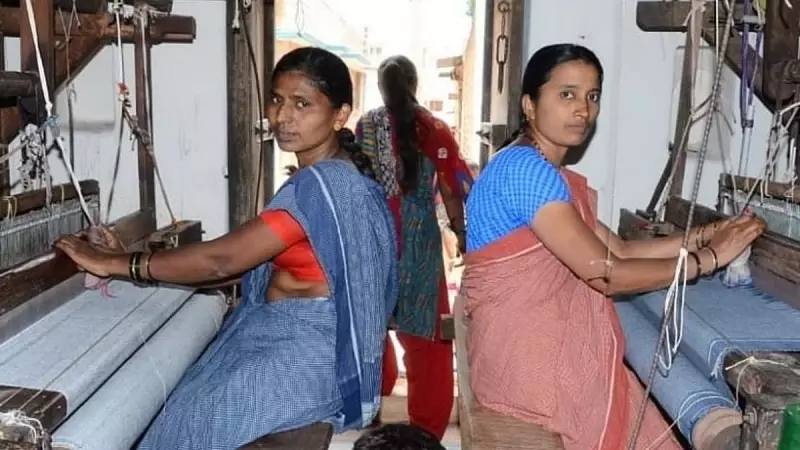
The rich cultural tapestry of Karnataka is vividly woven into its ancient textile heritage, a legacy defined by the masterful use of colours derived directly from nature. Long before synthetic alternatives, the state's artisans turned to the earth's bounty, harnessing plants and minerals to create a stunning palette that has endured through centuries.
The Botanical Palette of Ancient Dyers
Historical practices reveal a deep understanding of botany and chemistry among Karnataka's early weavers and dyers. Plants such as indigo, madder, turmeric, safflower, and lodhra were recognised for their exceptional dyeing properties during ancient times. Each plant contributed a unique and lasting hue to the region's textiles, forming the foundation of a sustainable and eco-friendly colour tradition.
Indigo, derived from the Indigofera tinctoria plant, provided deep, rich blues that became synonymous with Indian textiles. Madder roots yielded a spectrum of reds, from pale pink to a deep, earthy terracotta. Turmeric, a staple in Indian kitchens, offered vibrant yellows, while safflower petals were used for a brilliant crimson. Lodhra, a less commonly known tree bark, was prized for its ability to produce shades of brown and tan, completing a natural colour wheel.

Preserving a Legacy in Modern Times
This knowledge, passed down through generations, represents more than just a technical skill; it is a repository of cultural identity and environmental wisdom. The process involved intricate steps—harvesting at the right time, preparing dyes through fermentation or extraction, and using specific mordants to fix the colours onto natural fibres like cotton and silk. The resulting fabrics were not only beautiful but also often possessed medicinal or protective qualities attributed to the plants used.
Today, this heritage faces challenges from mass production and chemical dyes. However, a renewed interest in sustainable and handcrafted goods has sparked a revival. Artisans, cooperatives, and designers across Karnataka are actively working to preserve these ancient techniques. They are documenting recipes, training new generations, and integrating these natural dyes into contemporary fashion and home decor, ensuring the tradition remains relevant and alive.
The Cultural and Economic Fabric
The significance of Karnataka's textile and natural dye heritage extends beyond aesthetics. It is intrinsically linked to the state's social history, local economies, and community rituals. Specific colours and patterns often denoted social status, regional origin, or were reserved for festive occasions. The industry supported countless farming families who cultivated dye plants and the skilled artisans who practiced the craft.
As noted by researcher Hemalatha Jain in her work highlighted on 24 December 2025, understanding and preserving this heritage is crucial. It offers a blueprint for sustainable manufacturing and connects modern India to its ecological roots. The naturally dyed yarns and fabrics stand as a testament to a time when colour was a slow, deliberate, and harmonious process with nature.
The vibrant hues of Karnataka's past continue to inspire. They remind us that in an age of fast fashion, there is immense value in the slow, artisanal processes that create beauty responsibly, colouring not just cloth, but also preserving a vital piece of human history for the future.