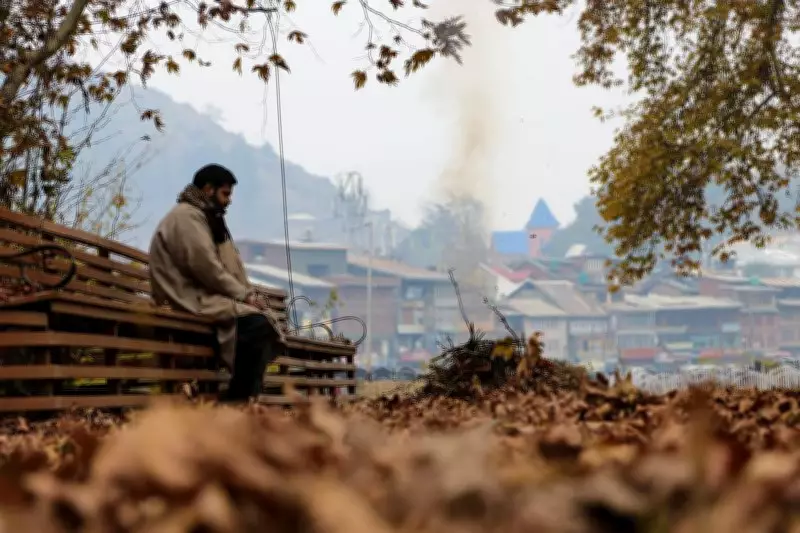
The Pheran: Kashmir's Iconic Garment of Survival and Expression
In the frost-laden valleys of Kashmir, where winter temperatures often plummet below freezing, a single piece of clothing has become synonymous with survival, identity, and quiet defiance. The pheran, a long, loose-fitting woolen cloak, is far more than mere winter attire. It is a cultural artifact, a political statement, and a testament to the resilience of the Kashmiri people.
A Historical Garment Rooted in Necessity
The origins of the pheran trace back centuries, designed primarily for practical warmth in one of India's coldest regions. Traditionally made from wool or tweed, it features long sleeves and extends below the knees, often accompanied by a pooch, a detachable inner lining filled with cotton or wool for added insulation. Its loose fit allows for layering, crucial for battling the biting cold, while the kangri, a portable earthenware firepot, is often carried beneath it, providing a personal source of heat.
Over time, the pheran evolved beyond functionality. It became a marker of Kashmiri identity, worn by both men and women, though styles vary slightly. For men, it is typically plainer, while women's pherans are often more ornate, embroidered with intricate aari or sozni needlework in vibrant threads, reflecting the region's rich artisanal heritage.

The Pheran as a Canvas of Political Expression
In recent decades, the pheran has taken on profound political connotations. During periods of unrest and conflict in the valley, it has been adopted as a symbol of resistance and solidarity. Its voluminous folds are said to conceal not just warmth but also the simmering discontent and aspirations of the people. The garment's ability to hide one's form and movements has, in some narratives, lent it an aura of silent protest against authority.
This transformation is not merely metaphorical. In the harsh winters, when streets are often deserted due to cold and curfews, the pheran-clad figure has become an enduring image of Kashmir's struggle. It represents a way to maintain dignity and cultural continuity amidst adversity. The pheran, thus, is worn as a badge of endurance, a daily reminder of the community's ability to persevere through political winters as harsh as the climatic ones.
Cultural Significance and Modern Adaptations
Culturally, the pheran is deeply embedded in Kashmiri life. It is worn during festivals, weddings, and everyday activities, symbolizing a connection to heritage. Elders pass down heirloom pherans, often hand-embroidered, as family treasures. The garment also plays a role in social rituals; for instance, it is customary for brides to wear elaborately decorated pherans.
In contemporary times, the pheran has seen adaptations. Designers are reinventing it for global fashion, using lighter fabrics and modern cuts, while retaining traditional motifs. However, these innovations coexist with the classic woolen versions, ensuring the pheran remains relevant. Despite modernization, its core essence—as a protector against the cold and a keeper of stories—remains unchanged.
Embers Under the Pheran: A Metaphor for Kashmir
The phrase "embers under the pheran" poignantly captures the duality of Kashmir's existence. On the surface, the pheran provides warmth and normalcy, much like the serene beauty of the valley's landscapes. Beneath it, however, lie the smoldering embers of historical grievances, political tensions, and unfulfilled aspirations. These embers are kept alive by the collective memory and resilience of the people, much like the kangri's fire that burns discreetly under the cloak.
This metaphor extends to the pheran's role in everyday resistance. In a region where overt political expression can be risky, the simple act of wearing this traditional garment becomes a subtle form of assertion. It is a way to say, "We are here, we remember, and we endure." The pheran, therefore, is not just fabric; it is a narrative woven with threads of history, culture, and politics.

In conclusion, the Kashmiri pheran is a multifaceted symbol. It is a practical response to a harsh climate, a vibrant expression of cultural identity, and a powerful emblem of silent resilience. As Kashmir continues to navigate its complex socio-political landscape, the pheran remains a constant—a garment that warms the body while carrying the weight of a people's hopes and struggles. Its folds may hide embers, but they also cradle the enduring spirit of the valley.