Khambhat's traditional kite-making industry continues to flourish after centuries, providing essential livelihoods for thousands of families in the region. This season witnessed sharp increases in raw material and labor costs, yet demand for the famous Khambhati kites shows no decline. Enthusiasts from across Gujarat and beyond keep the market vibrant.
Historical Roots and Evolution
Khambhat kites gained popularity during both the Mughal era and the British period, establishing a long-standing reputation for quality. Kite flying in this coastal town likely started as a pastime among the nawabs who ruled the princely state of Cambay. These rulers helped popularize the tradition locally.
The craft's origins trace back to when Khambhat's port buzzed with maritime trade. Early British arrivals in Gujarat entered Cambay by sea, introducing recreational activities like cricket and kite flying. Local artisans observed the paper, bamboo frameworks, and bows of these kites. They began replicating and refining them with their own skilled craftsmanship.

Integration with Makar Sankranti
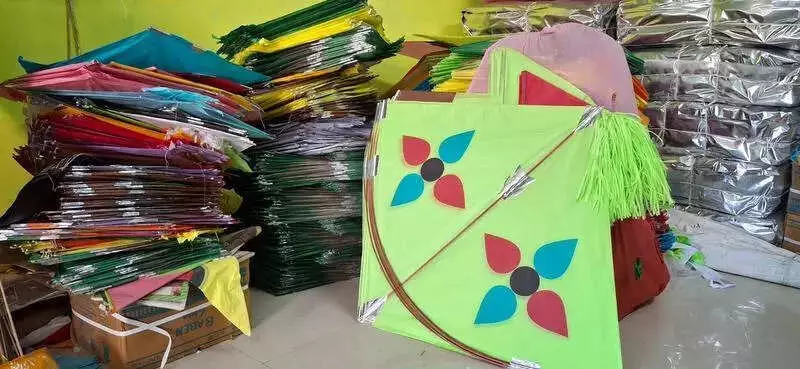
As kite flying became a central part of Makar Sankranti celebrations throughout Gujarat, Khambhat's kite industry gained significant momentum. Artisans here invented the 'cheel', widely regarded as the most popular fighter kite. Production ranges from tiny two-inch kites to massive twelve-foot creations.
Khambhat kites stand out for their distinctive quality and performance. The gelatin-coated paper offers visual appeal and ensures smooth flying. Superior bamboo finishing provides excellent balance and durability.
Current Production and Market Trends
This year saw particularly high production of popular designs like cheel, gensiya, and kanakvo. Brisk sales encouraged active participation from women and youth in the manufacturing process. Khambhat now hosts nearly 7,000 to 8,000 kite artisans, including over 4,000 women who produce kites from their homes. Their work significantly boosts household incomes.
Despite price increases due to higher raw material costs, markets experienced a steady rush of buyers. Kite seller Sahil Chunara noted that Khambhat produces a wide variety of designs. These include pan topa, dil gulla, farah, chokdo, cheel, chand, double dil, divo, rocket, chapat, pavla, bamchi, PVC, chandarvo, kanakvo, fancy chapat, khakhi dhagal, and large metal-frame kites.
Festival Preparations and Auctions
About a week before Uttarayan, around 200 retail and wholesale stalls spring up along the main road connecting the bus stand area to Sardar Tower Chowk. On the eve of the festival, the Patang Bazaar comes alive late into the night. Kite enthusiasts participate in lively spot auctions, adding to the festive atmosphere.
Satish Patel, a kite enthusiast from Bavla, visits Khambhat every year. He has made the trip for the past five years. "Khambhati kites are artistic, easy to fly, and visually appealing," Patel said. "That charm keeps drawing us back here every year."
Economic Challenges and Price Increases
Traders acknowledge substantial price rises this season. According to kite merchant Ravi Chunara, producing 100 kites now costs around Rs 600, up from Rs 450 last year. Higher raw material and labor expenses drive this increase.
Specific cost hikes include kite bows sourced from Kolkata, now priced at Rs 700. Paper from Delhi and Mumbai rose from Rs 1,150 to Rs 1,350. Labor charges increased from Rs 1,600 to Rs 2,200. Despite these challenges, the industry remains resilient.
Unique Festival Timing: Dariyai Uttarayan
Unlike most parts of Gujarat, Khambhat does not celebrate Uttarayan on January 14. The festival occurs either on January 15 or on the first Sunday after January 14. Kite flying takes place by the sea, an event locally known as 'Dariyai Uttarayan'. This unique tradition adds to the region's cultural distinctiveness.
Khambhat's kite-making industry demonstrates remarkable endurance. It blends historical craftsmanship with modern demand, ensuring its place in Gujarat's cultural and economic landscape for years to come.