Karnataka's Lakkundi Excavation Unlocks Medieval History and Heritage
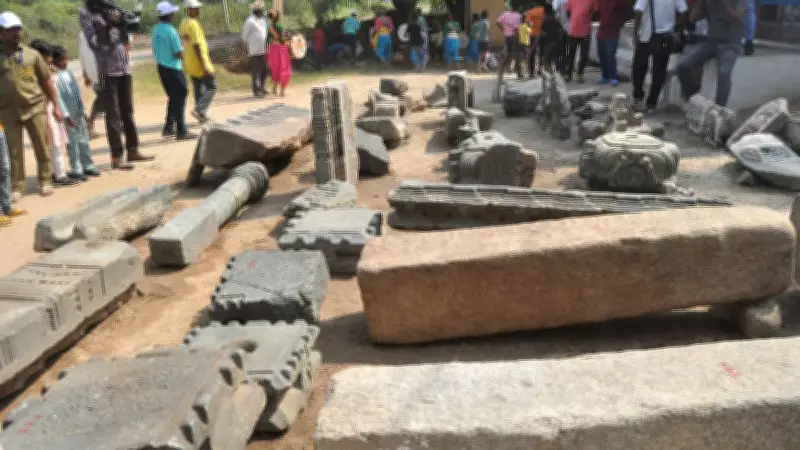
Archaeologists in Karnataka have embarked on a significant new excavation at the historic site of Lakkundi, with expectations running high for groundbreaking discoveries. This fresh archaeological endeavor is poised to yield a wealth of artifacts, including inscriptions, monuments, sculptures, and ornaments, all intricately linked to Karnataka's rich medieval history. The excavation aims not only to uncover these tangible remnants of the past but also to provide deeper insights into Lakkundi's storied heritage and the broader cultural and social evolution of human habitation in this region.
Unearthing the Past: A Focus on Medieval Karnataka
The excavation at Lakkundi represents a pivotal moment in the study of Karnataka's historical landscape. Archaeologists anticipate that the findings will include detailed inscriptions that could reveal new information about governance, language, and daily life during the medieval period. Additionally, the discovery of monuments and sculptures is expected to offer a visual narrative of the architectural and artistic styles that flourished in the region, highlighting the craftsmanship and cultural influences of the time.
Ornaments and other personal artifacts uncovered during the dig are likely to shed light on the social structures, trade practices, and lifestyle of the people who once inhabited Lakkundi. These items can provide clues about economic conditions, fashion, and even religious practices, painting a more comprehensive picture of medieval society in Karnataka.

Understanding Lakkundi's Rich Heritage
Lakkundi, known for its historical significance, has long been a focal point for archaeologists and historians. This latest excavation is set to enhance our understanding of the site's heritage by potentially revealing layers of history that have remained buried for centuries. By analyzing the stratigraphy and context of the finds, researchers hope to trace the timeline of human settlement in the area, from early habitation through various phases of development.
The cultural evolution of Lakkundi is a key aspect of this study. As artifacts are unearthed, they will be examined to understand how cultural practices, beliefs, and social norms evolved over time. This could include changes in religious iconography, shifts in architectural techniques, or adaptations in daily life in response to environmental or political changes.
Broader Implications for Regional History
Beyond Lakkundi, this excavation has the potential to contribute to a broader understanding of Karnataka's medieval history. The findings may help connect Lakkundi to other historical sites in the region, revealing patterns of migration, trade routes, and cultural exchanges that shaped the state's development. By piecing together these elements, archaeologists aim to construct a more nuanced narrative of how human communities in Karnataka adapted and thrived through the medieval era.
In summary, the fresh excavation at Lakkundi is a crucial step in preserving and interpreting Karnataka's heritage. With expectations of uncovering inscriptions, monuments, sculptures, and ornaments, this project promises to enrich our knowledge of the past while fostering a greater appreciation for the cultural legacy that lies beneath the surface.