Meghalaya's Living Root Bridges: A Family's Generational Architectural Legacy
The living root bridges of Meghalaya represent one of India's most remarkable examples of traditional engineering and sustainable architecture. These unique structures, woven from the aerial roots of rubber trees, have been developed and maintained by local communities for centuries. In a fascinating family tradition, the art of building these bridges has been passed down through generations, preserving this invaluable cultural heritage.
The Family Tradition of Bridge Building
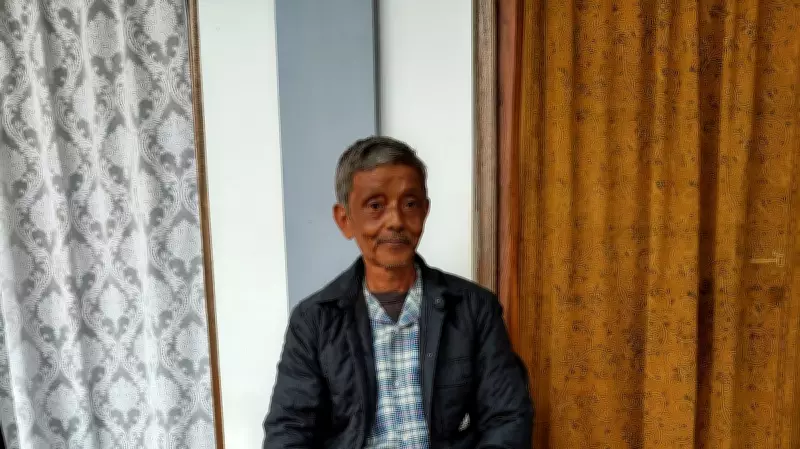
For the War family in Meghalaya, constructing living root bridges is more than just a skill—it's a generational legacy. The knowledge and techniques required to guide and shape the growing roots into functional bridges have been transmitted from elders to younger family members for countless generations. This oral tradition ensures that the specialized knowledge remains within the community and continues to evolve with each new generation of builders.
Early Learning and Community Involvement
Children in the War family typically begin learning the art of root bridge construction at approximately 10 years of age. At this young age, they observe and assist their elders as they carefully manipulate and train the growing roots across rivers and streams. This early exposure allows the next generation to develop an intuitive understanding of:

- Root selection: Identifying which roots are most suitable for bridge construction
- Growth patterns: Understanding how roots naturally develop and can be guided
- Structural integrity: Learning how to create stable, durable crossings
- Environmental harmony: Working with nature rather than against it
The Significance of Living Architecture
Unlike conventional bridges made from concrete or steel, Meghalaya's living root bridges actually grow stronger over time. As the roots continue to develop and thicken, the bridges become more stable and capable of supporting greater weight. This organic approach to infrastructure offers numerous advantages:
- Sustainability: The bridges require no manufactured materials and have minimal environmental impact
- Self-repair: Damaged sections can naturally regenerate over time
- Adaptability: The bridges can adjust to changing environmental conditions
- Cultural preservation: They maintain traditional knowledge and community identity
The living root bridges serve as vital transportation links in the remote, hilly terrain of Meghalaya, connecting villages and facilitating movement across otherwise impassable waterways. Their continued existence depends entirely on the dedication of families like the Wars, who maintain this ancient practice despite modern alternatives.
Preserving a Unique Heritage
As Meghalaya's living root bridges gain international recognition for their ecological and architectural significance, the role of families like the Wars becomes increasingly important. Their generational knowledge represents a living archive of traditional engineering that cannot be replicated through written documentation alone. The bridges stand as testament to human ingenuity working in harmony with nature, creating structures that literally grow alongside the communities they serve.