While most Indian festivals dance to the rhythm of the moon, Lohri stands firm with the sun. This vibrant North Indian festival, celebrated around January 13 to 15 annually alongside Makar Sankranti, marks a time of communal warmth, seasonal treats, and, as many discover, profound spiritual surrender.
The Solar Celebration: Community, Cold, and Cuisine
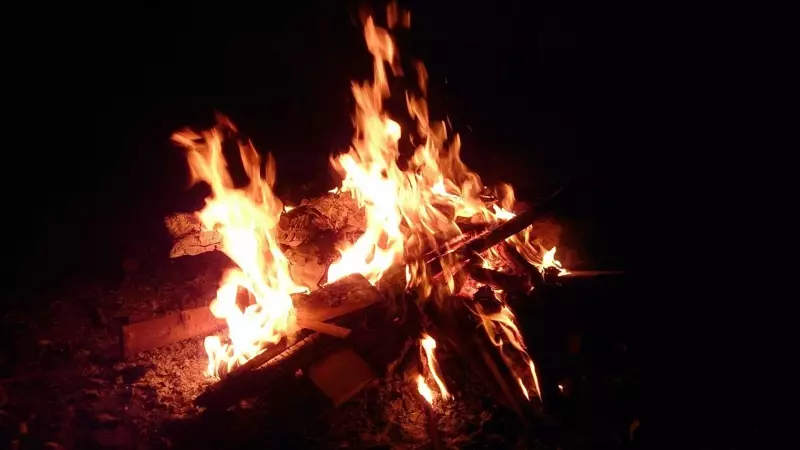
Arriving at the peak of North India's chilly winter, Lohri is a defiant celebration of warmth. The heart of the festival beats around the community bonfire, where people gather to share stories and laughter. The air fills with the enticing aroma of hot, sand-roasted peanuts and popcorn sold by street vendors. Weeks in advance, markets begin showcasing traditional sweets like gachak and revadi, made from jaggery (gur), sesame (til), and peanuts—foods believed to generate bodily warmth.
For writer Priya S Tandon, childhood memories of Lohri are sensory treasures: her father peeling peanuts by the fire, sometimes roasting whole green cholia plants to produce the unforgettable smoky flavour of holaan, while her mother prepared popcorn and gajar ka halwa. These traditional snacks, including the lighter maroonda (puffed rice and jaggery), are not just delicious but are seasonally attuned, aligning with age-old food wisdom that favours warming foods in winter.

From Gourmet Gachak to Timeless Traditions
The festival's culinary landscape is evolving yet rooted. Today, gachak sees gourmet innovations, incorporating roasted chana, moong dal, popcorn, flax seeds, and makhanas. However, as Tandon notes, amidst a younger generation gravitating toward pizza and chips, these traditional Indian snacks remain a healthier choice, perfectly suited to the season. This connection between diet and nature is a cornerstone of Indian living, from cooling dhokla in summer to the monsoon tradition of taleya-hoya (fried snacks) that her father-in-law cherished.
The Deeper Essence: "Lo Hari" – Take, O Lord
As life progresses, the festival's significance often deepens beyond the bonfire and food. Tandon reflects on a powerful interpretation of Lohri's name: Lo + Hari, meaning "Take, O Lord." This sparks a fundamental question—what can we truly offer to the divine? Material offerings like flowers or money are already His. The real offering, as beautifully expressed by Bhagawan Sri Sathya Sai Baba, is one's own self: love, hands, mind, and soul.
He extended this invitation further, asking devotees to offer even their vices, trusting Him to take them away. This transforms Lohri into a potent festival of release. It becomes an act of letting go of our flaws and negative traits, offering them up with faith. In a world where everyone seeks to give only pleasant gifts, this concept of a God willing to accept our imperfections is profoundly moving. Perhaps, this is the contemporary essence of Lohri: to let go, and let God.
Thus, Lohri stands as a multifaceted gem in India's festive crown. It is a solar-aligned harvest celebration, a community ritual against the winter cold, a showcase of evolving yet traditional cuisine, and for many, a timely spiritual reminder to offer the most challenging gift of all—oneself.