Who Truly Owns Lucknow? Cultural Archivists Engage in Deep Dialogue on City's Soul
A profound and layered conversation unfolded recently at Colvin Taluqdars' College, organized by the cultural initiative Aadab Arz Lucknow. The central question posed was deceptively simple yet deeply philosophical: "Who's the proprietor of Lucknow?" This inquiry set the stage for an extensive examination of belonging, memory, and civic responsibility in one of India's most historically rich cities.
Gathering of Minds: Archivists, Historians, and Custodians
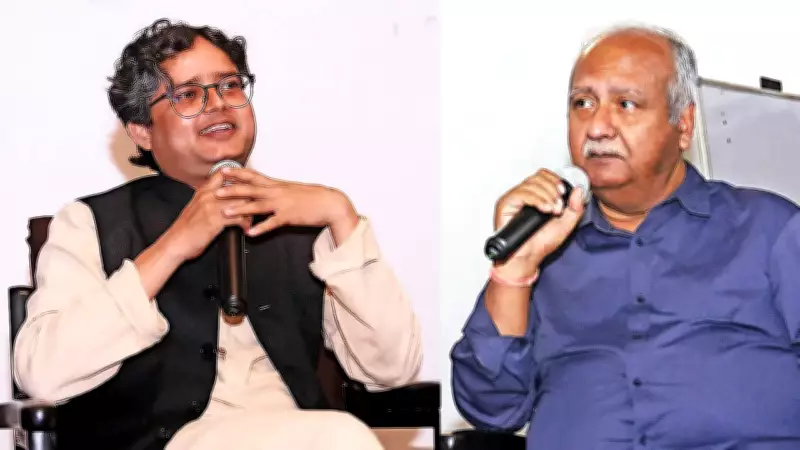
The session brought together a distinguished panel of culture archivists, socialites, historians, and dedicated custodians of Lucknow's heritage. Notable participants included Sachidanand Singh, Principal of Colvin Taluqdars' College; Ruth Chakravarty, a retired professor from Isabella Thoburn College; and writer Hafeez Kidwai. The discussion was skillfully moderated by Kanak Rekha Chauhan, who guided the conversation through complex themes of urban identity.
Rather than seeking a singular answer, the dialogue evolved into a multifaceted reflection on what it means to truly inhabit and care for a city. Kanak Rekha Chauhan initiated the core inquiry by questioning superficial claims of ownership. "We often say it's our Lucknow," she remarked, "but do we genuinely carry a sense of ownership towards it? Do our actions reflect this proclaimed connection?"

Balancing Growth with Cultural Preservation
The discussion navigated carefully between expressions of pride and genuine concern, capturing the delicate equilibrium between urban development and heritage conservation. Ruth Chakravarty offered insightful observations about Lucknow's dual trajectory of progress and cultural erosion. "In terms of infrastructure and physical development, Lucknow is growing impeccably and demonstrating remarkable advancement," she noted. "However, its essential soul—the culture of grace, refined courtesy, and distinctive etiquette—has certainly taken a measurable hit."
Chakravarty pointed directly toward the gradual erosion of the very traits that historically defined Lucknow's unique character, while simultaneously emphasizing that the city has always maintained an inherently embracing nature toward newcomers and evolving influences.
Ownership Through Daily Action and Participation
Writer Hafeez Kidwai presented a practical framework for understanding urban ownership, connecting emotional attachment with tangible participation. "If we truly love this city and claim it as our own, we must start demonstrating this affection through our day-to-day actions," he asserted. Kidwai outlined specific behaviors including caring for public spaces, maintaining cleanliness, preserving the traditional tehzeeb in interpersonal communications, and actively safeguarding the cultural heritage being celebrated.
Adding a touch of wit and historical perspective, Carlyle McFarland, former Principal of La Martiniere College in Lucknow, remarked on the city's evolving social rhythms. Reflecting on positive cultural shifts, McFarland observed, "At least the Lucknowites have developed a more consistent habit of reaching places on time, which represents a noticeable and welcome change in social punctuality."
Envisioning Lucknow's Future Identity
Sachidanand Singh, as both host and participant, brought the discussion to a contemplative close by projecting into Lucknow's future landscape. "The citizens of tomorrow are gradually taking shape through education and socialization," he reflected. "Ten years from now, Lucknow will likely appear very different—perhaps even unfamiliar to many of us who remember its earlier incarnations. Yet, I maintain firm belief that the essential spirit of Lucknow, its indefinable essence, will endure through some resilient form of cultural expression."
The session underscored that urban ownership extends beyond legal property rights to encompass emotional investment, cultural stewardship, and active participation in shaping a city's evolving narrative. As Lucknow continues its transformation, such dialogues become crucial in navigating the intersection of progress and preservation.