

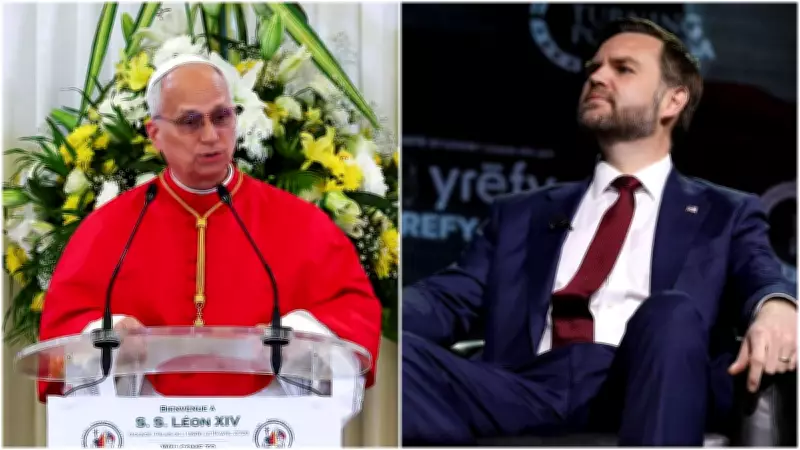
J.D. Vance Issues Caution to Pope Leo on Theological Matters
In a striking statement that has sparked widespread discussion, United States Senator J.D. Vance has publicly cautioned Pope Leo regarding the delicate nature of theological discourse. The remarks, made in a recent address, highlight the potential complexities and sensitivities involved in interpreting divine will through historical events.
Vance Invokes World War II as a Theological Reference Point
Specifically referencing the monumental conflict of the Second World War, Senator Vance posed a profound rhetorical question to illustrate his point. He inquired, "Was God on the side of the Americans who liberated France from the Nazis? I certainly think the answer is yes." This assertion serves as a clear example of how theological interpretations can be applied to historical narratives, suggesting a belief in divine favor for the Allied forces during their critical mission to free occupied France from Nazi control.
The senator's comments underscore a broader debate about the role of divinity in human affairs, particularly in contexts of war and liberation. By framing the Allied victory in theological terms, Vance emphasizes the importance of careful consideration when attributing spiritual significance to such events. His warning to Pope Leo implies that leaders, especially those in religious positions, must navigate these discussions with utmost prudence to avoid misinterpretation or unintended controversy.

Context and Implications of the Statement
This intervention comes at a time when global religious and political dialogues are increasingly intertwined. Vance's reference to WWII is not merely historical but carries contemporary weight, as it touches on themes of morality, justice, and the perceived alignment of divine will with national actions. The liberation of France remains a symbol of triumph over tyranny, and Vance's theological framing adds a layer of spiritual validation to this historical achievement.
Observers note that such statements can influence public perception and theological debates, potentially shaping how future conflicts are viewed through a religious lens. The caution extended to Pope Leo suggests a call for restraint and thoughtful dialogue in religious leadership, ensuring that theological assertions are grounded in careful reflection rather than impulsive declarations.
Key Points from Vance's Remarks:- Advises Pope Leo to be careful when discussing theological matters.
- Uses World War II as a case study to illustrate divine intervention.
- Asserts that God supported American forces in liberating France from Nazis.
- Highlights the need for prudence in religious interpretations of history.
As this story develops, it raises important questions about the intersection of faith, history, and leadership. Vance's words remind us that theological discussions, especially when tied to pivotal events like WWII, require a balanced and nuanced approach to foster understanding rather than division.

