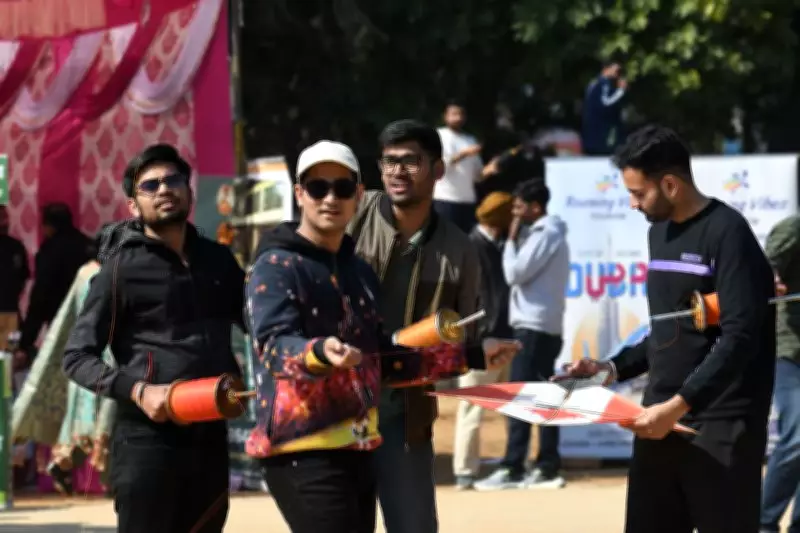
Ludhiana Kite Festival Takes a Stand Against Chinese-Made String
In a vibrant display of cultural pride and economic awareness, residents of Ludhiana recently gathered to celebrate a kite festival with a powerful underlying message. The event, held in the bustling city of Punjab, was not just about the joy of flying kites but also served as a platform to advocate for the boycott of Chinese-made manjha, the traditional kite string.
A Celebration with a Cause
The festival saw enthusiastic participation from locals of all ages, who took to the skies with colorful kites. However, the highlight was the concerted effort to spread awareness about the negative impacts of using Chinese manjha. Organizers and participants emphasized the importance of supporting local manufacturers and avoiding products that pose safety and environmental risks.
Key messages promoted during the event included:

- Encouraging the use of Indian-made kite string to boost the domestic economy.
- Highlighting the dangers of Chinese manjha, which is often coated with harmful chemicals and can cause injuries to birds and humans.
- Promoting eco-friendly and safer alternatives available in the local market.
Why the Boycott Movement Gained Momentum
The call to boycott Chinese manjha stems from multiple concerns that have resonated deeply within the community. First, there is a growing sentiment to reduce dependence on Chinese goods, especially in the wake of geopolitical tensions and calls for self-reliance under initiatives like 'Make in India'. Second, safety issues associated with Chinese string have been widely reported, including incidents where the sharp, non-biodegradable material has led to accidents and environmental harm.
During the festival, speakers and activists shared stories and data to underscore these points, urging residents to make conscious choices. They pointed out that local alternatives are not only safer but also help sustain traditional crafts and livelihoods in India.
Community Response and Future Implications
The response from Ludhiana residents was overwhelmingly positive, with many pledging to switch to Indian-made manjha. The festival successfully blended entertainment with education, creating a memorable experience that reinforced community values and nationalistic pride.
Looking ahead, organizers hope this event will inspire similar movements across other cities, fostering a broader shift towards sustainable and patriotic consumer habits. As kite flying remains a beloved tradition in India, such initiatives could play a crucial role in shaping public opinion and driving economic change at the grassroots level.