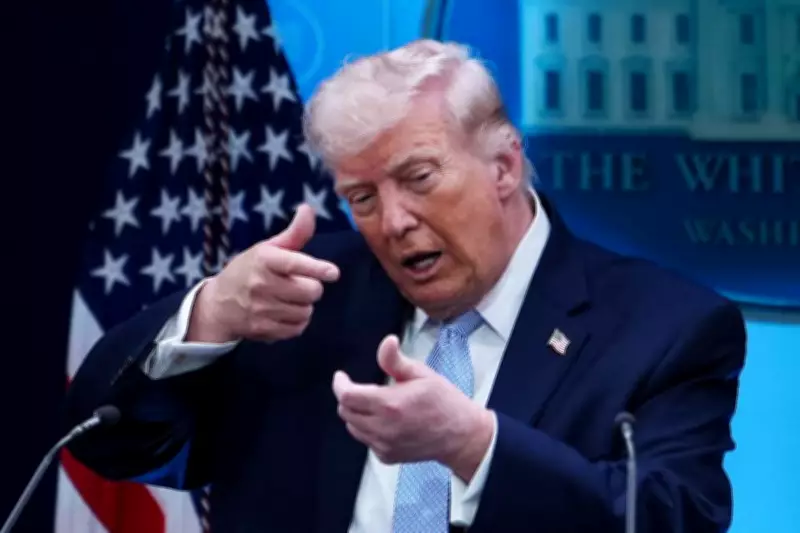
President Donald Trump has announced that the United States will increase tariffs on cars and trucks imported from the European Union to 25 percent starting next week. The decision comes as a response to the EU's alleged failure to comply with existing trade agreements, according to a statement from the White House.
Details of the Tariff Hike
The tariff increase, set to take effect on May 8, 2026, will apply to all passenger vehicles and light trucks imported from EU member states. Currently, the US imposes a 2.5 percent tariff on passenger cars and a 25 percent tariff on light trucks. The new measure will raise the passenger car tariff to 25 percent, aligning it with the existing truck tariff.
In a press briefing, President Trump stated, "The European Union has taken advantage of the United States for years. They do not respect our trade deals, and they have not made the necessary changes to level the playing field. This action is long overdue."

Impact on the Automotive Industry
The tariff hike is expected to significantly affect European automakers, including Volkswagen, BMW, Mercedes-Benz, and Stellantis, which have substantial exports to the US market. Analysts predict that the increased costs could lead to higher prices for consumers and potential disruptions in supply chains.
The European Commission responded with regret, warning of retaliatory measures. "The EU has always been a reliable partner in trade, and this unilateral action is unjustified. We will carefully assess the situation and respond accordingly to protect our industries and workers," said EU Trade Commissioner Valdis Dombrovskis.
Potential Retaliation and Trade War Concerns
The move raises the specter of a full-blown trade war between the US and the EU. In previous disputes, the EU has targeted American goods such as bourbon, motorcycles, and agricultural products. Experts caution that escalating tariffs could harm global economic growth and disrupt international trade flows.
Stock markets in Europe and Asia reacted negatively to the news, with automotive shares leading the decline. The Dow Jones Industrial Average also saw a drop in early trading.
Background of US-EU Trade Relations
Trade tensions between the US and the EU have simmered for years, with disputes over steel and aluminum tariffs, aircraft subsidies, and digital services taxes. The Trump administration has consistently pushed for more favorable terms, arguing that the EU's trade surplus with the US is unsustainable.
This latest tariff increase is part of a broader strategy by the Trump administration to renegotiate trade deals and protect American manufacturing. However, critics argue that such measures ultimately hurt domestic consumers and businesses that rely on imported components.
The announcement also comes amid ongoing negotiations for a new trade agreement between the US and the EU, which have stalled in recent months. It remains unclear whether the tariff hike will prompt renewed talks or further strain relations.