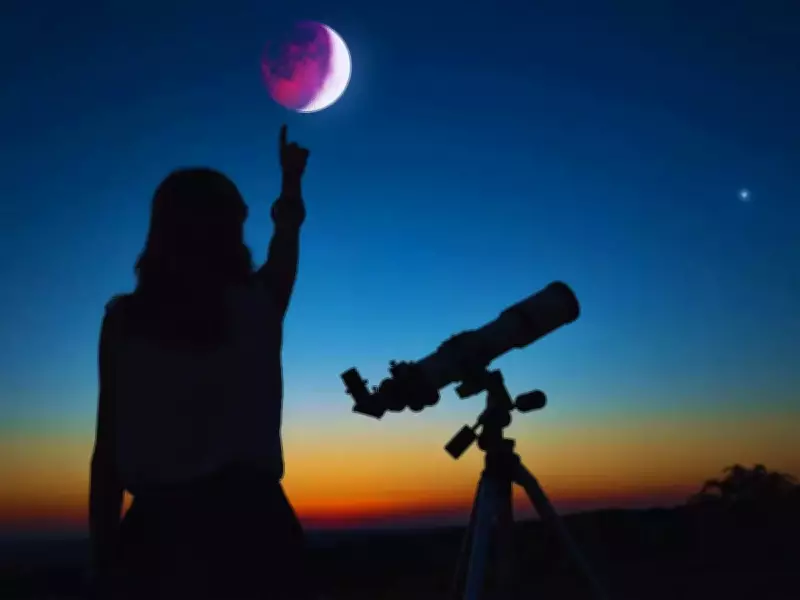
Lunar Eclipse 2026: A Celestial Event of Global Anticipation
The Lunar Eclipse of 2026 stands as one of the most eagerly awaited celestial phenomena worldwide. This event occurs when the Earth positions itself directly between the Sun and the Moon, casting a shadow that results in a dramatic lunar display. Throughout history, lunar eclipses have been imbued with profound spiritual, traditional, astrological, and religious meanings across various cultures.
Ancient Indian Beliefs and Religious Interpretations
While modern science provides clear explanations for eclipses, ancient Indian traditions and religious texts attribute deep symbolic significance to these occurrences. In Hindu culture, eclipses—whether solar or lunar—are generally viewed as inauspicious periods. According to Hindu scriptures such as the Puranas, eclipses are thought to be influenced by the shadow planets Rahu and Ketu, which are believed to amplify negative energies during these times.
This belief leads to specific guidelines: it is advised to avoid unnecessary activities, including travel, eating, cooking, sleeping, and any non-essential movements. The emphasis on staying indoors is rooted in the idea that these periods are fraught with potential obstacles and disruptions.

Why Travel is Discouraged During a Lunar Eclipse
Travelling during a lunar eclipse is particularly discouraged in Hindu traditions due to its perceived inauspicious nature. The concern is that journeys undertaken at this time may not yield fruitful outcomes and could invite unforeseen challenges. From an astrological perspective, the Moon represents the mind and emotions. Since the Moon is obscured during an eclipse, it is believed that initiating new ventures or travel could disturb mental peace and emotional stability.
Pregnant women are especially advised to refrain from travel or going outdoors during an eclipse, as old customs suggest potential adverse effects on unborn babies, highlighting the cultural importance placed on protection during vulnerable times.
Recommended Practices During the Eclipse
During a lunar eclipse, people are encouraged to remain at home and engage in spiritual practices. Key recommendations include:
- Meditating to maintain inner calm and focus.
- Chanting religious mantras to invoke positive energies and protection.
- Avoiding temple visits, as temple doors typically remain closed until purification rituals—such as bathing idols and cleansing spaces—are completed post-eclipse.
These practices aim to minimize exposure to negative influences and foster a sense of spiritual well-being.
Scientific Perspective on Lunar Eclipses
From a scientific standpoint, there is no evidence to suggest that lunar eclipses pose any physical harm or negative effects. Eclipses are natural astronomical events explained by the alignment of celestial bodies, with no proven impact on human activities or health. However, in India, cultural and spiritual sentiments remain strong, leading many individuals to adhere to traditional guidelines out of respect for heritage and personal faith.
Ultimately, the decision to travel during a lunar eclipse is a personal choice, balancing scientific understanding with cultural beliefs. While Indian traditions rooted in spirituality and astrology advise against it, science finds no inherent danger, leaving it to individual discretion and faith.