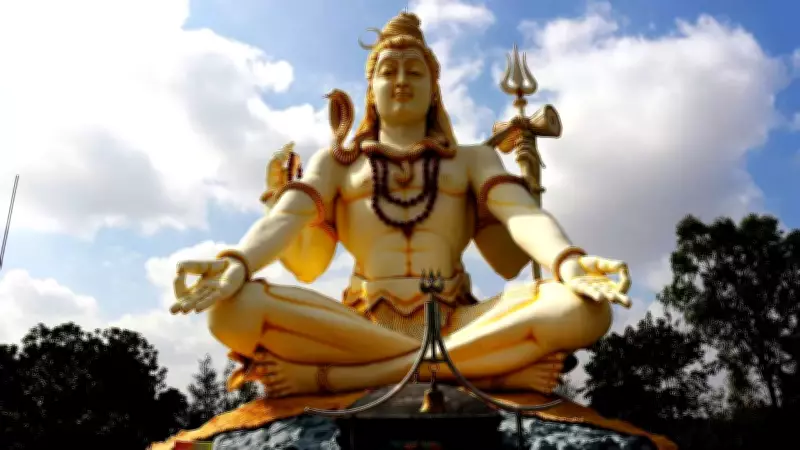
Mahashivratri 2026: A Deep Dive into the Sacred Festival of Lord Shiva
Mahashivratri stands as one of the most prominent and revered Hindu festivals, celebrated with immense pomp and show across India in every Shiva temple. This auspicious day commemorates the divine union of Lord Shiva and Goddess Parvati, symbolizing the harmonious blend of masculine and feminine energies. Known as "The Great Night of Shiva," the festival embodies spiritual awakening, self-realization, and inner stillness, serving as a powerful occasion to enhance positivity and devotion among followers.
Mahashivratri 2026: Date and Time Details
In 2026, Mahashivratri will be observed on February 15, falling on the Chaturdashi Tithi of Krishna Paksha in the month of Phalguna. Devotees meticulously follow specific timings for rituals to maximize spiritual benefits. Below are the key dates and times for the festival:
- Chaturdashi Tithi Begins: February 15, 2026 - 05:04 PM
- Chaturdashi Tithi Ends: February 16, 2026 - 05:34 PM
- Ratri First Prahar Puja Time: February 15, 2026 - 06:11 PM to 09:23 PM
- Ratri Second Prahar Puja Time: February 16, 2026 - 09:23 PM to 12:35 AM
- Ratri Third Prahar Puja Time: February 16, 2026 - 12:35 AM to 03:47 AM
- Ratri Fourth Prahar Puja Time: February 16, 2026 - 03:47 AM to 06:59 AM
- Nishita Kaal Puja Time: February 16, 2026 - 12:09 AM to 01:01 AM
- Shivaratri Parana Time: February 16, 2026 - 06:59 AM to 03:24 PM
The Profound Significance of Mahashivratri
Mahashivratri holds immense religious and spiritual importance for Hindus worldwide. It represents the victory of light over ignorance, with devotees seeking awareness and enlightenment through worship and night vigils. According to mythology, it is believed that Lord Shiva performed the cosmic dance, known as tandav, on this sacred night, emphasizing the dynamic balance of creation and destruction. The festival fosters a deep connection with the divine, encouraging introspection and devotion.

How Mahashivratri is Celebrated Across India
The festival is marked by grand celebrations in key spiritual hubs, drawing millions of devotees. Major temples such as the Mahakaleshwar Temple in Ujjain, Kashi Vishwanath Temple in Varanasi, and Kedarnath witness elaborate ceremonies and vibrant festivities. Communities come together in prayer, creating an atmosphere of joy and reverence that resonates throughout the country.
Essential Puja Rituals for Mahashivratri 2026
Devotees engage in various rituals to honor Lord Shiva and Goddess Parvati, each practice designed to invoke divine blessings and spiritual growth. Key rituals include:
- Fasting: Observing a strict fast on this sacred day to purify the body and mind.
- Mantra Chanting: Reciting powerful mantras dedicated to Lord Shiva, such as "Om Namah Shivaye" and "Om Tryamabhakam Yajamahe Sugandhim Pushti Vardhanam Urvarukmiv Bandhanan Mrityor Mukshiya Mamritat," to invoke his presence.
- Abhishekam: Performing ceremonial bathing of the Shivalingam with sacred items like milk, honey, and water to symbolize purification and devotion.
- Meditation and Prayers: Staying awake all night in vigil, engaging in meditation, prayers, and spiritual activities to appease the deities and seek enlightenment.
By participating in these rituals, devotees aim to transcend worldly distractions and connect with the eternal essence of Shiva, making Mahashivratri a transformative experience for all involved.