Makar Sankranti: The Festival That Honors the Sun God
When Makar Sankranti arrives, you can sense a shift in the atmosphere. Mornings grow brighter, the sun feels warmer on your skin, and people everywhere seem to share a collective joy. The sky fills with colorful kites, homes overflow with sweet treats, and elders speak of auspicious new beginnings. Amidst all this celebration, a common question arises: which deity do people worship during Makar Sankranti?
The Central Role of the Sun God
Imagine a world without sunlight. No warmth would reach the earth, plants would not grow, and life as we know it would cease. Since ancient times, humans have recognized the sun as the fundamental source of life. Farmers planned their crops around its movements, seasons changed according to its position, and civilizations flourished under its light.
People naturally began to view the sun not merely as a celestial body but as a powerful deity who sustains all living beings. During Makar Sankranti, worshippers pay homage to the Sun God because this day marks a significant astronomical event. The sun begins its northward journey, known as Uttarayan, bringing longer days and increased warmth.

This transition symbolizes hope and renewal. People express gratitude to the sun for its life-giving energy through prayers and offerings. The festival emphasizes appreciation over elaborate rituals, focusing on thanking the sun for its constant support.
Celebrating New Beginnings with Surya Dev
Makar Sankranti typically occurs in mid-January, as winter gradually loosens its grip. Days become noticeably warmer, and farmers prepare for the upcoming agricultural season. The Sun God, or Surya Dev, embodies energy, growth, and positivity. Worshipping him during this time represents welcoming a fresh start.
Many believe that the sun's northward movement dispels darkness and ushers in brighter days. This concept remains relevant today. Longer daylight hours naturally improve moods, and sunlight provides comfort during colder months. Honoring the sun during Makar Sankranti celebrates this positive change and the promise of better times ahead.
The Significance of Traditional Foods
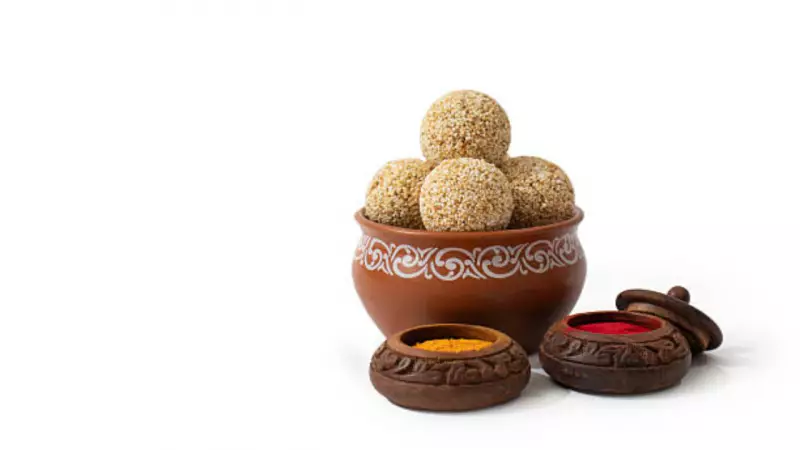
You have probably heard the popular saying, "Til-gud ghya, god god bola," which means eat sesame and jaggery, and speak sweetly. This tradition carries deep meaning. Sesame seeds and jaggery help keep the body warm, which is especially beneficial during this season.
Beyond their physical benefits, these foods symbolize sweetness and warmth in relationships. Sharing them with loved ones reinforces bonds and encourages kind words. The practice reminds people to nurture harmony and goodwill within their communities.
Regional Variations with a Common Theme
Makar Sankranti goes by different names across India, yet the sun remains central to all celebrations. In Tamil Nadu, people celebrate Pongal by cooking rice in sunlight. Punjab observes Lohri with bonfires that honor warmth and light. Assam celebrates Magh Bihu, while Gujarat calls the festival Uttarayan.
Despite regional differences, customs share a common thread. Many devotees offer water to the rising sun early in the morning. Others prepare special dishes or engage in community festivities. These diverse traditions all express reverence for Surya Dev and gratitude for his blessings.
The Scientific Basis Behind the Festival
Makar Sankranti holds not only religious but also astronomical significance. The festival aligns with the sun's actual movement relative to Earth. Ancient observers noted this celestial shift long before modern science explained it in detail.
The sun's transition into the northern hemisphere marks the end of winter and the beginning of longer days. This natural phenomenon influences agriculture, climate, and daily life. The festival beautifully bridges spiritual beliefs with observable scientific facts, highlighting the wisdom of traditional knowledge.
Lessons for the Younger Generation
For children, Makar Sankranti offers more than just festive prayers. It provides an opportunity to understand where food comes from, how seasons change, and why nature sustains us. Worshipping the Sun God teaches respect for sunlight, plants, farmers, and the passage of time.

The festival encourages curiosity about the natural world and appreciation for cultural heritage. By participating in traditions, younger generations learn to value both scientific understanding and spiritual gratitude. Makar Sankranti becomes a meaningful way to connect with India's rich agricultural and astronomical legacy.