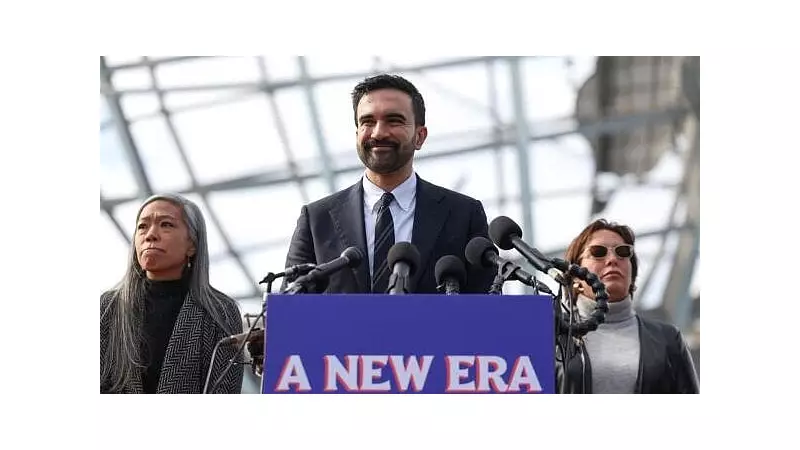
Prominent academic Mahmood Mamdani is preparing for a significant relocation within New York City, trading the diverse borough of Queens for the affluent enclave of Manhattan's Upper East Side. While the physical distance across the East River is short, the symbolic journey traverses a deep cultural and political chasm that defines the city's complex social fabric.
A Short Distance, A World Apart
The future home of Mahmood Mamdani lies just across the narrow strait of the East River, yet the environments of Queens and the Upper East Side could hardly be more different. This move, noted in a report by the International New York Times on 29 December 2025, is more than a simple change of address. It represents a shift between two distinct New Yorks—one known for its immigrant communities and vibrant diversity, and the other synonymous with established wealth and traditional power structures.
Contrasting Worlds: Queens vs. The Upper East Side
Queens, where Mamdani is leaving, is celebrated as one of the most ethnically diverse urban areas in the world. It is a melting pot of cultures, languages, and cuisines, often seen as the heart of New York's immigrant story. In stark contrast, the Upper East Side is an icon of old-money prestige, lined with luxury boutiques, private museums, and opulent apartment buildings. The political and social values prevalent in these two areas frequently reflect this stark economic and demographic divide.

Experts suggest that such a move for a figure like Mamdani—a scholar known for his work on colonialism, imperialism, and African studies—is particularly noteworthy. It prompts questions about access, influence, and the spaces where intellectual discourse happens. Will the environment shape the thinker, or will the thinker bring a new perspective to the environment?
Anticipating the Reception
As the report indicates, a cool welcome awaits Mamdani in his new neighborhood. This anticipated reception is not necessarily personal but symbolic of the insular nature of such exclusive urban enclaves. Newcomers, especially those from different professional or cultural backgrounds, can often find the social landscape challenging to navigate.
The move underscores a persistent theme in major global cities: proximity does not guarantee integration. Physical borders like rivers often mirror deeper societal fissures. Mamdani's transition will be closely watched as a case study in whether and how these divides can be bridged, even on a personal scale.
Ultimately, Mamdani's cross-river relocation is a microcosm of the larger dynamics shaping New York City and similar metropolises. It highlights the ongoing tensions between diversity and exclusivity, between established centers of power and evolving communities. As cities continue to grow and change, the journeys of their most notable residents often illuminate the paths—and obstacles—facing everyone else.