64-Year-Old Man Hosts His Own 'Living Terahvi' Feast in Auraiya Village
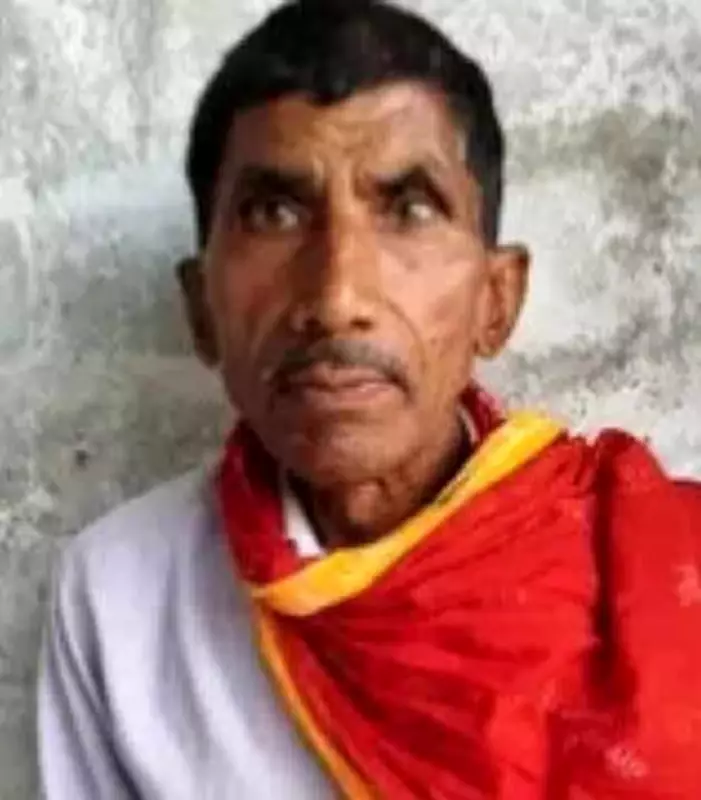
In a remarkable and unconventional move that has captivated a rural community, a 64-year-old man from Uttar Pradesh's Auraiya district decided to take tradition into his own hands. Rakesh Yadav, a resident of Lakshmanpur village, organized and hosted his own 'terahvi' feast while still alive, defying the customary practice of holding such events posthumously.
A Grand Gathering of 1,900 Guests
The extraordinary event took place on Monday, drawing an astonishing crowd of approximately 1,900 guests from Lakshmanpur village and surrounding areas. The sheer scale of the gathering left villagers both stunned and intrigued, as they witnessed a ritual typically associated with mourning transformed into a celebration of life.
Motivations Behind the Unprecedented Decision
Yadav's decision stemmed from two profound personal concerns that weighed heavily on his mind. First, as a bachelor living alone, he openly confided in locals about his struggle with loneliness and apprehension about care in his advancing years. Second, and perhaps more poignantly, he harbored suspicions that his relatives might eventually skip the traditional 'terahvi' ritual due to financial constraints or other pressures.

"To spare anyone potential trouble or burden," Yadav explained, "I decided to take matters into my own hands and host the event myself while I am still here to witness it."
Clarifying the Nature of the Event
Importantly, Yadav clarified that his gathering was strictly a feast without any religious rites or 'pind daan' ceremonies typically associated with traditional terahvi observances. Having frequently attended such feasts in his village throughout his life, he expressed a simple desire: "I wanted to have a feast in my own honor while I was still alive to enjoy it."
Formal Invitations with Poignant Messages
The bachelor went to formal lengths to organize the occasion, getting printed invitation cards distributed among villagers. The cards bore a heartfelt message: "Invitation for a living 'terahvi'. I am alone, with no one for me. I am fortunate to hold my 'bhandara' while alive."
The invitation also featured a couplet that reflected Yadav's personal philosophy: "Hamein apnon ne loota, gairon mein kahan dam tha, meri kashti wahan doobi jahan paani kam tha" (My own people looted me, strangers had no strength, my boat sank where water was scarce).
Personal Background and Financial Arrangements
Yadav, who receives an old-age pension, financed the entire feast using his personal savings. His family circumstances add context to his decision—his youngest brother Chandrapal died after a long illness, and his second brother Naresh Yadav was murdered. None of the brothers ever married, leaving Rakesh as the sole surviving male sibling. They have one sister who is married and lives elsewhere.
In a further testament to his unconventional approach to life, Yadav mentioned that he had donated his ancestral home to a relative and now lives in a simple hut himself.
Village Reaction and Social Impact
The invitation cards initially caused confusion among villagers. Local resident Anuj admitted, "We were surprised when we received the cards. Given that Rakesh was very much alive and seen strolling around the village after distributing them, we initially suspected a printing error or some kind of prank."
However, the community ultimately rallied to support Yadav's unusual request. Anuj continued, "But we attended his 'terahvi' feast to honor his feelings and prayed for his long life. It sparked considerable debate in the village about tradition, loneliness, and how we care for our elderly."
The event has opened conversations about social isolation among senior citizens, the financial pressures surrounding traditional rituals, and the ways individuals can reclaim agency over cultural practices that typically occur only after death.