Mark Twain's Enduring Legacy in American Literature
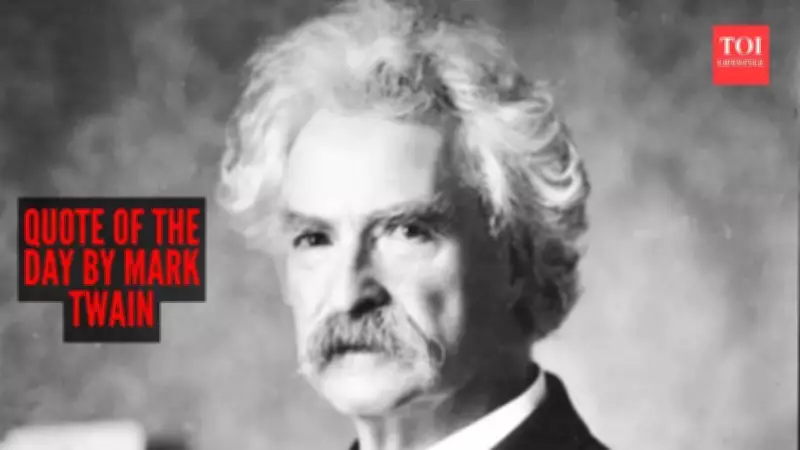
Mark Twain, originally named Samuel Langhorne Clemens, stands as one of the most revered writers and humorists in the annals of American literature. He is celebrated for his incisive wit, candid observations, and remarkable ability to convey profound truths through accessible language. His iconic novels, such as The Adventures of Tom Sawyer and Adventures of Huckleberry Finn, not only depict facets of American culture but also offer deep reflections on the human condition and ethical dilemmas. Today, Twain's works continue to be widely recognized for their literary merit and the compelling manner in which they deliver meaningful messages.
Decoding the Quote: "Courage is resistance to fear, mastery of fear - not absence of fear"
The widely attributed quote, "Courage is resistance to fear, mastery of fear - not absence of fear," exemplifies Mark Twain's practical understanding of human psychology. At first glance, many might perceive courage as a trait belonging solely to those who experience no fear. However, Twain presents a more realistic and nuanced interpretation. True courage, he suggests, is not defined by the lack of fear but by the capacity to overcome it. This perspective highlights that fear is a universal human emotion, encompassing various forms such as fear of failure, rejection, pain, or uncertainty. While fear is natural, it should not hinder progress; instead, Twain emphasizes that bravery emerges when individuals acknowledge their fears and strive to surmount them.
The Dual Aspects of Courage: Resistance and Mastery
Courage, as Twain describes it, is a mindset that enables decision-making and action despite feelings of doubt. Resistance to fear involves a conscious effort not to be dominated by fear, without implying that fear is absent. It means feeling fear yet choosing to proceed, such as when someone acts despite hesitation. The phrase "mastery of fear" adds a critical dimension, referring to the control, knowledge, and discipline gained over one's fears. Twain explains that bravery entails learning to manage fears rather than being controlled by them, a process that develops through experience and practice. As people repeatedly confront challenging situations, they build resilience, and fear loses its potency, illustrating that courage can be cultivated over time.

Relevance in Everyday Life and Human Character
This quote holds significant relevance in daily scenarios. For instance, a student who fears an exam but diligently prepares, an individual who speaks publicly despite anxiety, or someone who embraces change despite apprehension—all demonstrate courage by acting in the face of fear. Twain's insight teaches that bravery is not exclusive to heroes; it manifests in ordinary people through everyday choices. His words offer a valuable lesson on human character, asserting that while fear is inevitable, it need not dictate behavior. Real courage involves facing fears with determination and perseverance, making it an attainable quality for all.