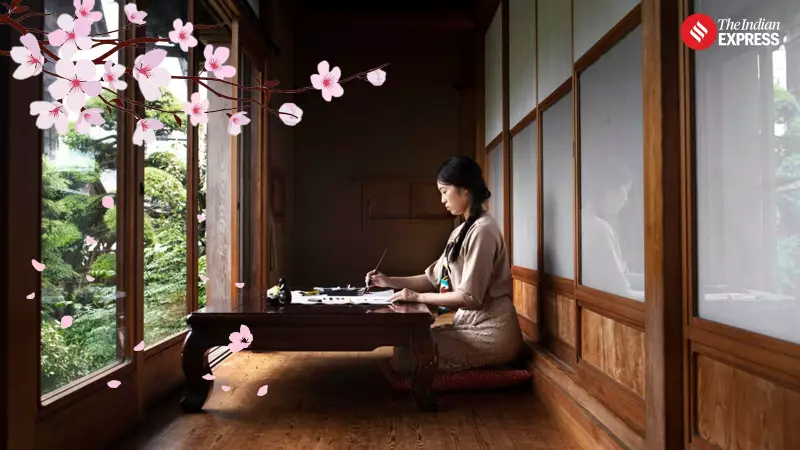
In an era dominated by constant noise and relentless stimulation, the ancient Japanese philosophy of Miyabi offers a serene antidote, inviting us to rediscover beauty in calmness and subtlety. Rooted in over a thousand years of cultural heritage, Miyabi transcends mere aesthetics to embody a profound way of living that prioritizes emotional depth and graceful restraint.
What Is Miyabi? A Glimpse into Its Historical Origins
Miyabi, which translates to elegance, refinement, and grace, emerged during Japan's Heian period, spanning from the 8th to the 12th century. At the imperial court, nobility cultivated a lifestyle centered on sophistication, where art, poetry, and meticulously crafted letters were not just pastimes but essential expressions of one's character. This era valued emotional sensitivity and subtlety in all aspects of life, from attire to interpersonal interactions, laying the foundation for Miyabi as a guiding principle.
Core Principles of Miyabi: Beyond Surface Beauty
At its heart, Miyabi is about appreciating beauty in a composed and understated manner, eschewing extravagance in favor of thoughtful simplicity. It represents the antithesis of flashiness, focusing on inner feeling rather than outward display. Key elements that define Miyabi include:

- Elegance in Simplicity: True elegance lies not in opulence but in tasteful execution. A minimalist flower arrangement or a gentle gesture can embody Miyabi more powerfully than any lavish spectacle.
- Emotional Awareness: Often intertwined with the concept of mono no aware—a poignant awareness of life's transient moments—Miyabi encourages a gentle appreciation for fleeting beauty, such as cherry blossoms drifting in the wind or the soft glow of dusk.
- Cultural Expression: In historical contexts, proficiency in arts like poetry or flower arrangement was a mark of sensitivity and inner grace, reflecting a deep connection to culture and emotion.
- Restraint: Miyabi advocates for balance and quiet confidence, viewing excess in noise, brightness, or showiness as lacking in taste and refinement.
Miyabi in Contemporary Life: Relevance and Inspiration
Despite its ancient origins, Miyabi continues to resonate in modern Japanese society and offers valuable lessons for global audiences. Its influence is evident in various domains:
- Design and Decor: Japanese interiors and fashion often feature clean lines, soft color palettes, and meticulous attention to detail, mirroring Miyabi's emphasis on understated elegance.
- Everyday Manners: Politeness, thoughtfulness, and harmony in social interactions are deeply rooted in Miyabi-like values, promoting a respectful and considerate approach to daily life.
- Art and Lifestyle: Practices such as tea ceremonies, calligraphy, and the artful presentation of food exemplify this graceful, restrained style, encouraging mindfulness and appreciation for the present moment.
Why Miyabi Matters Today: A Gentle Reminder in a Fast-Paced World
In today's hyper-connected and often chaotic environment, Miyabi serves as a gentle reminder to pause, savor the small joys, and embrace beauty through restraint. It inspires us to carry ourselves with quiet dignity, communicate with kindness, and nurture a deep care for even the minutest details of life. By integrating Miyabi into our routines—whether in crafting a message, setting a table, or selecting an outfit—we can cultivate a lifestyle where elegance is not a performance but a genuine, heartfelt practice.
As we navigate the complexities of modern existence, the spirit of Miyabi invites us to ask: Is this graceful? Is this thoughtful? Does it resonate with inner goodness rather than mere external appeal? Embracing these questions can transform our daily experiences, infusing them with a timeless elegance that enriches both personal well-being and collective harmony.