Pakistan Government Directs Cricket Team to Skip India Match in T20 World Cup
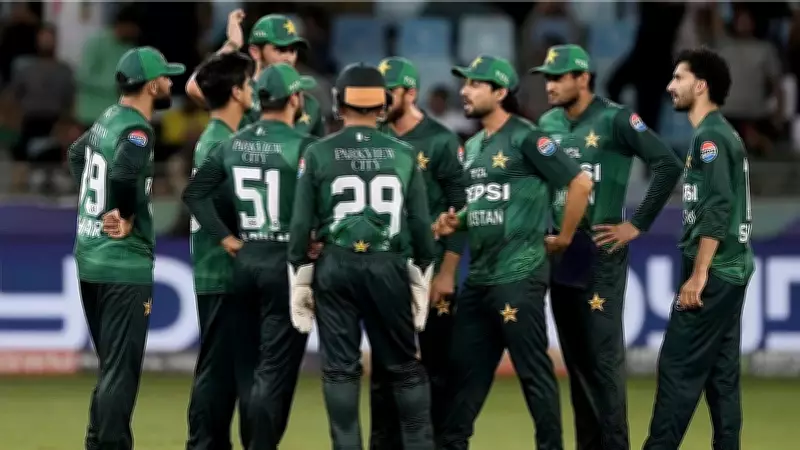
The Pakistan government has issued a directive to its national cricket team to boycott the highly anticipated match against India in the upcoming ICC T20 World Cup. While granting approval for the team's participation in the tournament scheduled to begin on February 7 in Sri Lanka, authorities have specifically prohibited the squad from taking the field for the group stage fixture against India on February 15.
Official Announcement and Tournament Implications
A post on the social media platform X (formerly Twitter) stated: "The Government of the Islamic Republic of Pakistan grants approval to the Pakistan Cricket Team to participate in the ICC World T20 2026, however, the Pakistan Cricket Team shall not take the field in the match scheduled on 15th February against India." This decision, which has not yet been formally communicated to the International Cricket Council, casts significant uncertainty over one of the most high-profile fixtures in international cricket.
The timing of this announcement comes just days before the Pakistan team's scheduled departure for Sri Lanka, creating logistical and competitive complications for the tournament organizers. If Pakistan follows through with this boycott, they will automatically forfeit two points from the match and potentially face sanctions from the ICC for refusing to fulfill their tournament obligations.

Background: Bangladesh Replacement and Regional Tensions
This development follows recent controversy surrounding Bangladesh's participation in the tournament. The Bangladesh Cricket Board had requested to move their matches from India to Sri Lanka, citing security concerns. When this request was denied by the ICC, Bangladesh refused to play their matches in India and was subsequently replaced by Scotland for the tournament.
Pakistan had previously expressed solidarity with Bangladesh throughout this process. The Pakistan Cricket Board voted in favor of Bangladesh's request during ICC board meetings, and PCB chairman Mohsin Naqvi had even threatened a potential tournament boycott in support of their regional cricket counterparts. Naqvi had earlier indicated that a final decision regarding Pakistan's participation would be announced on Monday, making Sunday's government directive a surprising preemptive move.
Historical Context of Tournament Boycotts
This is not the first instance of teams refusing to take the field in ICC events. Cricket history includes several notable precedents:
- During the 1996 World Cup, both Australia and West Indies declined to travel to Sri Lanka for their matches, citing security concerns
- In the 2003 World Cup, England refused to play against Zimbabwe due to political reasons
- During the same 2003 tournament, New Zealand did not show up for their scheduled match against Kenya in Nairobi
The current situation adds another chapter to this complex history of political considerations intersecting with international cricket competitions.
Immediate Consequences and Future Implications
The boycott announcement came on the same day that India and Pakistan faced each other in the ICC Under-19 World Cup in Zimbabwe, highlighting the ongoing cricketing relationship between the two nations despite political tensions. The decision creates immediate challenges for tournament scheduling and raises questions about how the ICC will respond to what effectively constitutes a forfeiture of a marquee match.
Beyond the immediate tournament implications, this development reflects the continuing geopolitical tensions that occasionally spill over into the sporting arena, particularly in South Asian cricket. The situation underscores how cricket matches between India and Pakistan often transcend mere sporting competition, becoming symbolic events with significant political dimensions.