The artistic brilliance of the Mughal Empire, which ruled India for more than three hundred years, continues to captivate the world. Known for their elegant vision and patronage of art, textiles, and jewellery, the Mughals created a unique fusion of Persian, Islamic, and Indian aesthetics. Their stunning designs remain iconic, and contrary to belief, many of these masterpieces have survived and are now displayed in global museums.
Hong Kong Exhibition Unveils Imperial Treasures
A significant collection of these artefacts was recently featured in a prominent exhibition titled 'The Hong Kong Jockey Club Series: Treasures of the Mughal Court' at the Hong Kong Palace Museum. The items were on loan from London's renowned Victoria and Albert Museum. The exhibition's narrative was built around the reigns of three great Mughal emperors: Akbar (1556-1605), his son Jehangir (1605-1627), and his grandson Shah Jahan (1628-1658).
The showcase delved into their cultural vision and artistic prowess, but the undeniable stars were the exquisite jewellery pieces from that golden era. These items offered a tangible connection to the empire's luxurious past and sophisticated craftsmanship.

Timeless Designs: From Meenakari to Polki
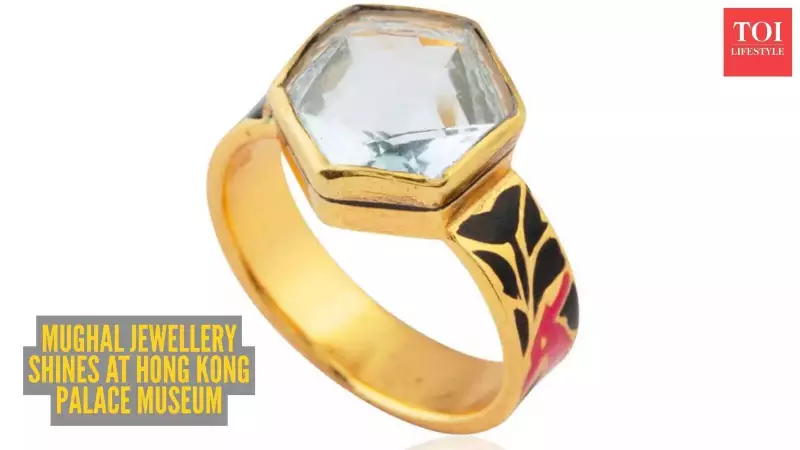
The exhibition presented a breathtaking array of jewellery that highlighted the Mughal artisans' innovative spirit. One standout was the meenakari necklace, set with vibrant enamel—a technique that flourished under Persia's Safavid dynasty in the 16th century and was perfected in India. Rings, referred to as 'Vora' by the Mughals, showcased intricate Indian craftsmanship.
These pieces carried a profound heritage charm yet possessed a fashion-forward edge, proving the timelessness of Mughal design philosophy. The show also featured iconic kundan and polki sets and rings, which saw their rise during the Mughal period and remain quintessential elements of Indian bridal jewellery to this day.
A Legacy Forged in Cultural Melting Pots
The foundation for this creative explosion was laid early. During the reign of the first Mughal emperor, Babur, workshops were organised as melting pots for artists trained in diverse techniques and traditions. This avant-garde approach to blending cultures, gemstones, and methods gave birth to a range of iconic jewellery designs whose influence resonates strongly in contemporary fashion.
Unfortunately, a vast quantity of the Mughal Empire's gold and jewels did not survive the test of time. Many were melted down during the empire's decline, and a significant portion was appropriated by the British Empire. However, a few legendary gemstones endured. The most famous survivor is the Koh-i-Noor diamond, which was recut in 1852 according to Prince Albert's European preferences and is now part of the British crown jewels.
The Hong Kong exhibition serves as a powerful reminder that while the Mughal era has passed, its artistic legacy, particularly in jewellery, remains very much alive, continuing to inspire awe and admiration across the globe.