Murshidabad Heritage Festival 2026: A Regal Revival of Bengal's Historical Capital
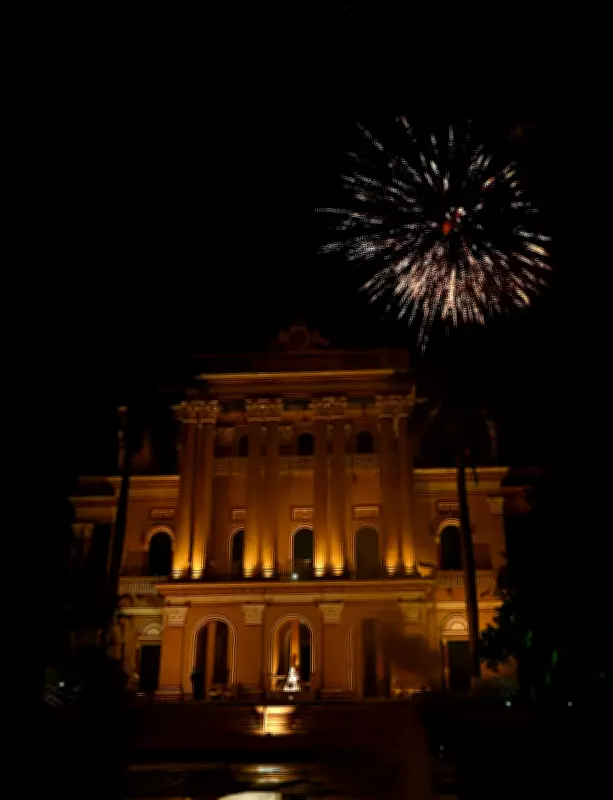
The Murshidabad Heritage Festival 2026, organized by the Murshidabad Heritage Development Society, transformed the historic city into a vibrant celebration of culture and restoration over three magnificent days. This event masterfully blended history with contemporary revival efforts, offering attendees a profound glimpse into how a fading royal capital is being meticulously brought back to life.
Experiencing the Grandeur: From Palaces to Plates
Festival-goers embarked on immersive journeys, cruising along the serene Bhagirathi River and exploring resplendent palaces and museums that echo with tales of Bengal's regal past. A highlight was the exquisite sampling of Sheherwali cuisine and culture at the House of Sheherwali, where delicate flavors and traditions were showcased. The festival demonstrated that restoration involves not just architectural preservation but also reviving entire lifestyles, one palace, one plate, and one passionate effort at a time.
Restoring Legacy and Creating Opportunities
Sanjay Doogar, shebait of Kathgola Palace, shared his deep connection to the heritage: "For as long as I can remember, I've been aware of the legacy of this place. What inspired me to restore it is the family tradition, history, and tales." The restoration process was demanding, particularly in finding masons skilled in traditional methods. After two to three years of effort, Doogar successfully assembled a dedicated team and now urges more individuals to step forward and contribute to this noble cause.

Turning Rebels into Custodians: Engaging the Youth
Murshidabad's youth, who once grew up amidst fading grandeur and sometimes vandalized centuries-old walls out of ignorance, have been transformed into active protectors. Organizers adopted an inclusive approach, making them partners in conservation. "We realized that if they were part of the problem, they had to become part of the solution," explained an organizer. Youngsters received training as guides and storytellers, participating in clean-ups and preservation activities.
Sandip Nowlakha emphasized this transformation: "Today, the same hands that once scribbled now protect them with a sense of ownership that can only be awakened." Harsh Vardhan Nowlakha added, "It is important for youngsters to go back to the roots and keep their heritage relevant."
Why Adaptive Reuse is Key to Sustainable Restoration
For 15 years, the Murshidabad Heritage Festival has been a driving force behind the cultural comeback of Bengal's former capital. Sandip Nowlakha of the Murshidabad Heritage Development Society noted, "The festivals have given a real kick to tourism; it's a ripple effect. We've planted the seeds of resurgence, and we want locals to take pride in their heritage." Efforts extend beyond palaces to include terracotta art, 14 Jain temples, muslin weaving, and traditional events.
Nowlakha highlighted the challenges: "Restoration is not easy; retrofitting is equally important." Sanjay Doogar echoed this, stating, "Getting the right expertise for the restoration of the palace was the most difficult part."
Bengal's Regal Past in Three Days: A Showcase of Heritage Sites
The festival featured an impressive array of historical sites, including:
- Jain Kothi Bari Kothi
- Tanti Para
- Hazarduari Palace
- Nasipur Raj Bari
- Jagat Seth Museum
- Kathgola Palace
Attendee Kavita Khanna remarked, "It's a rare experience to see such tradition and authenticity. When you have heritage, culture, and tradition, it should be amplified. Every corner of India has little surprises for you."
Economic and Social Impact: Employment and Entrepreneurship
Restoration efforts have generated significant employment opportunities. Sanjay Doogar shared, "Restoration generates employment. I've managed to turn many here into entrepreneurs—to be guides and karigars—more than 500 families benefit from this now."

Sandip Nowlakha reflected on the personal responsibility involved: "Ownership of heritage creates responsibility. I chose to act for this place, its vandalized kothis and temples. The journey was tedious, but belonging meant I could not walk away."
Pradip Chopra summarized the festival's spirit: "Restoration, to me, is not about nostalgia; it's about continuity. The Murshidabad Heritage Festival embodies that spirit. Through initiatives like the House of Sheherwali, we're reviving not just architecture but entire traditions of living, and we're ensuring that this revival is sustainable."