Preserving Royal Heritage: The Journey and Future of Mysore Paintings
In the heart of Karnataka, a centuries-old artistic tradition continues to captivate enthusiasts and artists alike. Traditional Mysore paintings, with their intricate details and vibrant colors, represent a royal art form that has survived through dynasties and modern transformations. Dhanyata M Poovaiah delves into the fascinating origins of these paintings, their remarkable revival in the 20th century, and the ongoing efforts to ensure their relevance in today's rapidly changing world.
The Royal Origins and Historical Significance
The story of Mysore paintings begins in the royal courts of the Wodeyar dynasty, where they flourished as a distinct style of South Indian art. Characterized by elaborate gesso work, gold leaf embellishments, and rich mineral pigments, these paintings traditionally depicted Hindu deities, mythological scenes, and royal portraits. The art form was not merely decorative but served as a medium for spiritual expression and cultural storytelling, deeply embedded in the region's heritage.
During its peak, Mysore paintings were patronized by kings and nobles, with artists receiving royal support to create masterpieces that adorned palaces and temples. The techniques were passed down through generations, maintaining a high standard of craftsmanship. However, with the decline of royal patronage in the colonial and post-independence eras, this art form faced significant challenges, risking fading into obscurity.

The 20th-Century Revival and Key Contributors
The mid-20th century marked a turning point for Mysore paintings, thanks to the dedicated efforts of artists, scholars, and cultural organizations. A revival movement emerged, focusing on:
- Documentation and Research: Scholars began studying historical texts and existing artworks to preserve traditional methods.
- Artistic Training: Institutions and workshops were established to train new artists in the intricate techniques.
- Public Awareness: Exhibitions and publications helped reintroduce Mysore paintings to a broader audience.
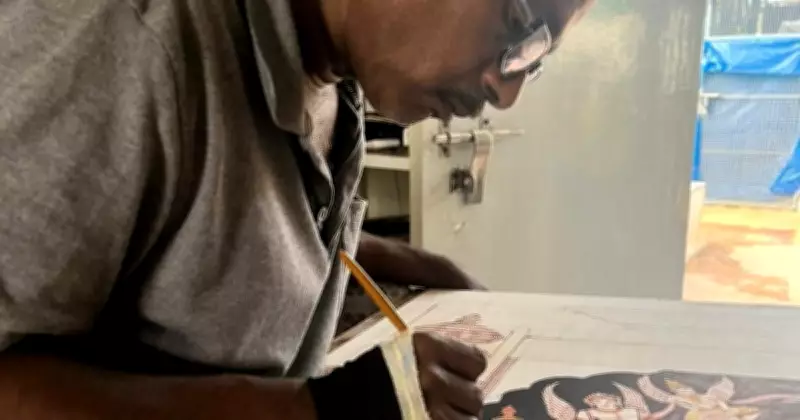
Acclaimed artists like Raghavendra B B have played a pivotal role in this revival, creating stunning traditional pieces that honor the legacy while adapting to contemporary tastes. Similarly, artists such as Asha Prasad have been instrumental in educating enthusiasts, as seen in her sessions explaining the unique features of Mysore paintings to groups of interested learners. Their work ensures that the knowledge and skills are not lost but instead passed on to future generations.
Contemporary Challenges and Strategies for Relevance
Despite the revival, Mysore paintings face numerous challenges in staying popular and relevant today. Key issues include:
- Economic Viability: The time-intensive nature of creating these paintings makes them expensive, limiting market accessibility.
- Competition from Modern Art: With the rise of digital and contemporary art forms, traditional styles struggle for attention.
- Limited Awareness: Many people, especially younger generations, are unfamiliar with this art form's cultural significance.
- Skill Preservation: Finding and training new artists willing to dedicate years to mastering the craft is increasingly difficult.
To address these challenges, several strategies are being implemented. Artists and organizations are exploring innovative approaches such as:
- Incorporating modern themes and techniques while retaining traditional elements.
- Using online platforms and social media to reach global audiences.
- Collaborating with educational institutions to include Mysore paintings in art curricula.
- Developing affordable reproductions and merchandise to make the art more accessible.
These efforts aim to bridge the gap between heritage and modernity, ensuring that Mysore paintings continue to thrive. By balancing preservation with adaptation, the art form can maintain its royal essence while appealing to contemporary sensibilities.

Looking Ahead: The Future of Mysore Paintings
The journey of Mysore paintings from royal courts to modern studios is a testament to the resilience of cultural traditions. As we move forward, the focus must remain on sustainable practices that support artists, engage communities, and promote awareness. Initiatives like those led by Raghavendra B B and Asha Prasad highlight the importance of hands-on involvement and education in keeping the art alive.
Ultimately, the survival of Mysore paintings depends on a collective effort—from artists and patrons to policymakers and the public. By valuing this royal art form as a vital part of India's cultural tapestry, we can ensure that it not only endures but flourishes, inspiring generations to come with its beauty and historical depth.