Nepali Villagers Battle to Keep Bull Fighting Tradition Alive
In the remote villages of Nepal, a centuries-old tradition faces a tough fight for survival. Villagers are struggling hard to keep their bull fighting customs alive. This practice has deep roots in local culture and history.
The Ancient Practice
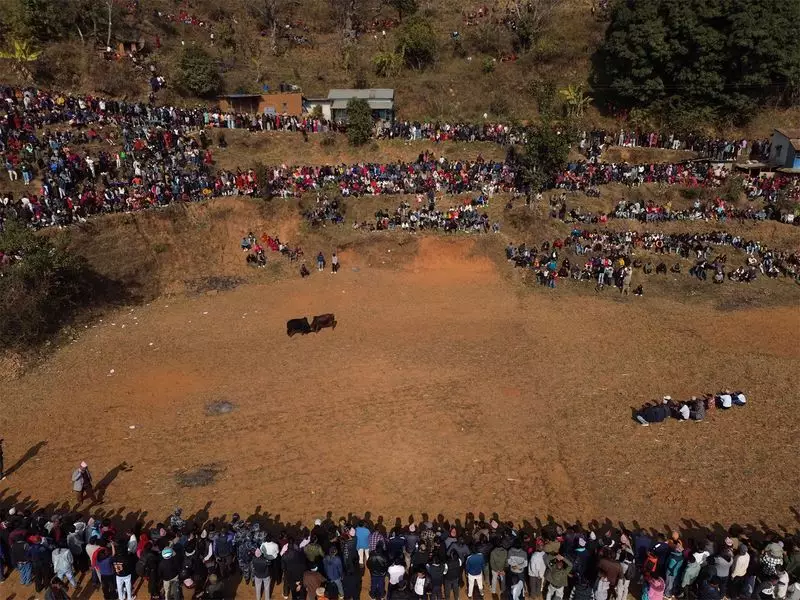
Bull fighting in Nepal is not like the Spanish version. It involves two bulls locking horns in a natural contest. Villagers gather to watch these events. They see it as a celebration of strength and community spirit.
The tradition dates back many generations. It connects people to their agricultural past. Bulls were vital for farming work. This event honors their importance.

Modern Challenges
Several factors threaten this age-old custom. Younger people often move to cities for jobs. They lose interest in rural traditions. Economic pressures make it hard to maintain the bulls.
Animal welfare concerns have also emerged. Some groups question the practice. Villagers argue their methods are traditional and respectful. They say the bulls are well cared for.
Changing lifestyles reduce participation. Festivals that once drew big crowds now see fewer attendees. The cost of organizing events keeps rising.
Villagers' Efforts
Local communities are not giving up. They organize annual bull fights with determination. Elders teach the young about its cultural significance.
Villagers use their own resources to fund events. They see it as preserving their identity. Some hope to attract tourists to boost local economies.
There is a strong sense of pride in this tradition. People believe it strengthens community bonds. It brings villages together in shared celebration.
The Future Outlook
The struggle continues for these Nepali villagers. They balance tradition with modern realities. Their commitment remains strong despite obstacles.
This bull fight tradition represents more than just a spectacle. It embodies cultural heritage and rural life. Its survival depends on ongoing community effort and adaptation.