As the clock strikes midnight and a new year dawns, cultures across the globe unite in celebration, hope, and a shared tradition: eating specific foods believed to usher in good fortune. The first day of the year is more than just a calendar change; it's a symbolic fresh start, often marked by gratitude and prayers for prosperity. A central part of these celebrations involves consuming dishes steeped in symbolism, each bite carrying wishes for sweetness, wealth, health, and abundance in the coming months.
Asian Auspicious Bites: Sweetness and Symbolism
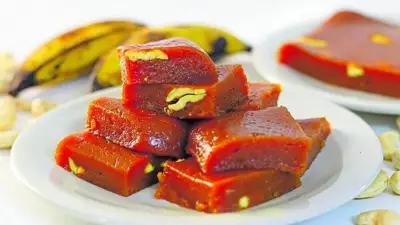
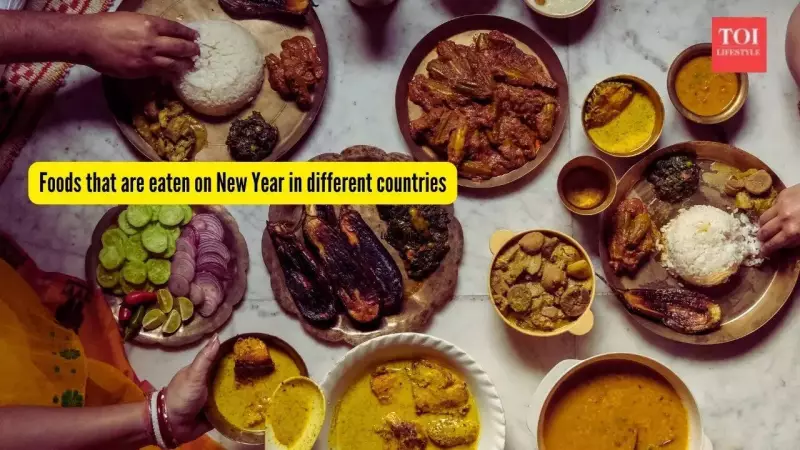
In India, the New Year's table is a vibrant tapestry of symbolic flavours. Sweets take centre stage, with foods made from jaggery, sugar, or honey consumed to ensure life remains sweet. Regional variations are profound: in Maharashtra, a bittersweet mix of neem leaves and jaggery represents acceptance of life's ups and downs. Tamil Nadu celebrates with Pongal, a rice dish signifying abundance, while in eastern India, Pitha (rice-based cakes) holds similar meaning. Paan, fish, and curd are also considered highly auspicious and commonly eaten.
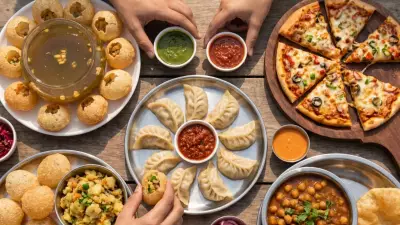
In China, culinary symbolism is deeply woven into Lunar New Year festivities. Dumplings, shaped like ancient gold ingots, are eaten for wealth and prosperity. Long, uncut noodles represent longevity, and a whole fish is served because the Chinese word for 'fish' sounds like 'surplus'. Interestingly, leaving a portion of the fish uneaten is considered lucky, symbolising that abundance will carry over.

Japan observes the New Year with osechi ryori, an elaborate assortment of dishes prepared in advance and served in special lacquered boxes. Each component has a meaning: black beans for health, herring roe for fertility, and sweet rolled omelettes for knowledge. The practice of eating these foods over several days signifies a mindful and hopeful beginning.
European Traditions: Coins, Pigs, and Midnight Grapes
Across Europe, legumes are powerful symbols of future wealth. In Italy, lentils are traditionally eaten on New Year's Eve, often with pork sausage. The lentil's coin-like shape promises financial fortune, while the pig symbolises progress and abundance, as pigs root forward. Similar beliefs surround beans and peas in other European nations.
The Spanish tradition is a race against time. In Spain and parts of Latin America, revellers attempt to eat twelve grapes—one for each stroke of midnight—each grape representing good luck for a month of the new year. This century-old practice remains a beloved and lively ritual.
Global Good Luck Charms
In the southern United States, a dish called Hoppin' John, made with black-eyed peas, greens, and cornbread, is a New Year's staple. The peas symbolise coins, the greens paper money, and the cornbread gold. This tradition is thought to have roots in African and Jewish culinary history.
Across the Middle East, during New Year and renewal festivals, foods like dates (for blessings), pomegranates (for fertility with their many seeds), and honey are consumed alongside prayers for peace and prosperity.
Fish is a nearly universal symbol, appearing from Scandinavia to Southeast Asia. Herring and carp in Europe denote prosperity, while a whole fish in Southeast Asia represents unity and completeness. The fish's association with abundance stems from its prolific nature and free movement in water.
These diverse global traditions highlight a universal human desire: to welcome the future with hope, ritual, and a plate full of meaning. As we step into 2024, these edible symbols connect us to our heritage and shared aspirations for a sweeter, more prosperous year ahead.