What's in a name? When it comes to geography, a name can be far more than a simple label on a map. It can be a living archive, holding within its syllables secrets of the land, its ecology, and the rich cultural tapestry of its people. In our modern world of satellite mapping and digital navigation, the very structure and length of place names have come into sharp focus, especially when they originate from linguistic traditions that don't conform to Western standards. One name, in particular, stands out—not just for its extraordinary length but for the profound cultural narrative it encapsulates. This name belongs to a hill in the beautiful nation of New Zealand and springs from the indigenous Māori language.
The Unbeatable Champion: A 85-Letter Māori Name
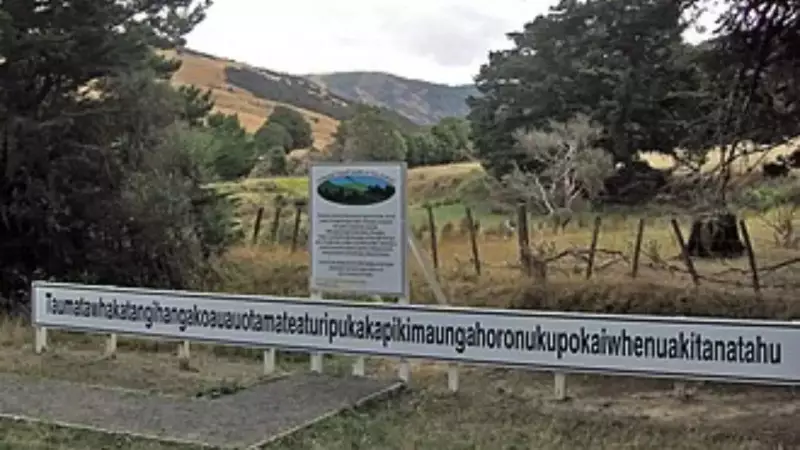
The title for the world's longest place name is widely held by Taumatawhakatangihangakoauauotamateaturipukakapikimaungahoronukupokaiwhenuakitanatahu. This geographical marvel is located in the Hawke's Bay district on New Zealand's North Island. It describes a 305-meter hill that rises gently above farmland near the settlement of Porangahau. The accepted version of the name contains a staggering 85 characters.
This is not a random string of letters. As studies in The Journal of the Polynesian Society highlight, such Polynesian place names are oral histories compressed into a single linguistic unit. They weave together an event, genealogical details, and descriptions of the landscape. This specific name tells the story of Tamatea, a legendary battle chief and explorer. The epic name translates to "The summit where Tamatea, the man with big knees, the climber of mountains, the land-swallower who travelled about, played his nose flute to his loved one." It commemorates an incident where he played a kōauau (flute) atop the hill for his beloved.

Why Māori Creates Such Descriptive Names
The approach to naming places in Māori culture stands in stark contrast to many European traditions. Where European names often get shortened over time, Māori geographical names proudly retain their full, descriptive form. This practice is vital for cultural and communicative expression.
The secret lies in the language's structure. In Māori, meaning is built through compounding words together, not shortening them. Each segment of the long name adds a layer of semantic information, creating a detailed picture. This method of building names mirrors the oral tradition of storytelling, where history, identity, and connection to the land are inseparable. The name is the story, and the story defines the place.
Recognition and Challenges in a Digital World
Today, the hill is situated along State Highway 52. The road sign displaying the full name has become a major tourist attraction, with visitors often stopping to photograph the incredibly long word. Ironically, the hill itself is not particularly large or imposing, proving that the true monument here is the name and the culture it represents.
New Zealand's official geographic authority records the hill using its complete Māori name. This is a conscious decision aimed at preserving indigenous place names in national cartography. However, this commitment presents unique challenges in our digital age. Mapping services, postal systems, and international standards bodies must all find ways to accommodate this 85-character name, ensuring that global standardization does not come at the cost of cultural erasure.
While other long names exist—like Llanfairpwllgwyngyll in Wales—they are often shortened for convenience. The New Zealand example remains unique in its official and consistent use at full length. Linguists note that languages like Māori, which favor descriptive compounding, can maintain such lengthy names without losing clarity for native speakers.

A Beacon for Cultural Preservation
The global fascination with this long name goes beyond mere trivia. It highlights a critical intersection between data systems, mapping, and cultural preservation. The fact that Taumatawhakatangihangakoauauotamateaturipukakapikimaungahoronukupokaiwhenuakitanatahu exists as a valid, official place name is a powerful testament. It shows that it is possible for global systems to respect and integrate profound cultural integrity.
This hill in New Zealand serves as a global reminder that geography is not just about physical terrain. It is equally a product of human expression, history, and identity. The longest place name on Earth is not a quirky anomaly; it is a bold declaration that some stories are too important to be shortened, and some cultures too rich to be mapped over.