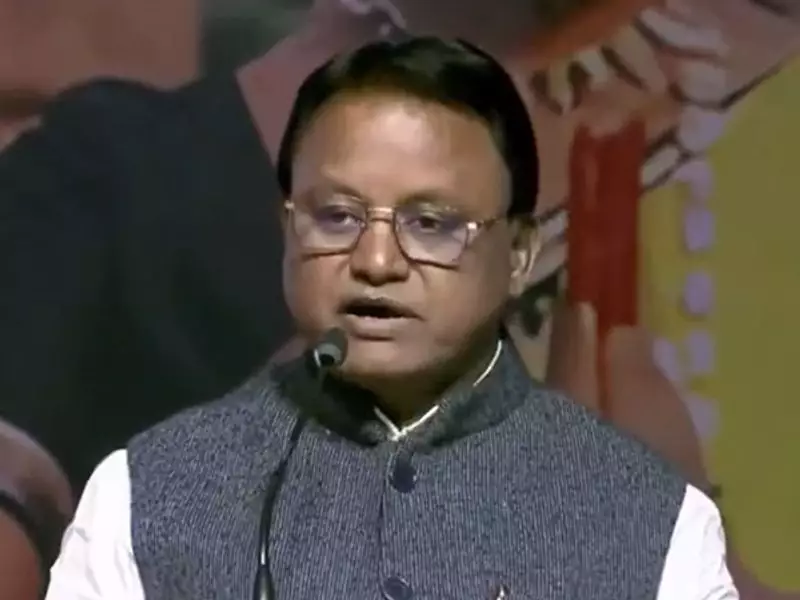
In a remarkable blend of tradition and governance, Odisha's Chief Minister Mohan Charan Majhi recently participated in the centuries-old 'Demon King's Court' ceremony in Bargarh district. The event, a highlight of the famous Dhanu Jatra festival, saw the state's top elected official presenting a detailed account of his government's developmental projects and welfare schemes to the symbolic monarch.
A Unique Tradition of Governance and Culture
The 'Demon King's Court,' or Asura Raja's Durbar, is a central ritual of the Dhanu Jatra, considered the world's largest open-air theatre. During this period, the town of Bargarh transforms into the mythological kingdom of Mathura, and a local actor portraying the demon king Kansa assumes symbolic authority. For over a week, even government officials and ministers traditionally present themselves before this court to inform the 'king' about public administration and seek symbolic permission for their work.
Chief Minister Majhi, adhering to this unique custom, attended the court at the Nutan Pandal in Bargarh town. He was welcomed with full traditional honours befitting a presentation before the king. In his address to the court, CM Majhi highlighted the commitment of the state government, led by the Bharatiya Janata Party (BJP), towards the holistic development of the Bargarh region and the entire state.

Detailing Development: Projects and Promises for Bargarh
The Chief Minister used this symbolic platform to outline several key initiatives. He provided details about various government projects and welfare schemes currently being implemented in the Bargarh district. His presentation focused on efforts aimed at improving infrastructure, agriculture, and the overall standard of living for the local population.
Emphasizing his administration's priorities, Majhi assured the court and, by extension, the people of the region, that the state government is working with a clear roadmap for development. He reiterated his government's dedication to fulfilling the promises made to the citizens, ensuring that the benefits of governance reach every corner of the district. This interaction, though ceremonial, served as a public commitment to the area's progress.
Significance of the Ceremonial Submission
The Chief Minister's participation in this age-old tradition is deeply significant. It demonstrates a respect for local culture and folklore while seamlessly integrating it with modern democratic governance. The act of presenting a report of his administration's work to the symbolic authority of the people's festival underscores a form of cultural accountability.
The Dhanu Jatra, which enacts the story of Lord Krishna's early life and his victory over King Kansa, draws massive crowds. The CM's involvement in its central ritual highlights the festival's continued social and political relevance. This event reinforces the government's connection with the state's rich cultural heritage, showcasing a model where tradition and contemporary administration coexist and inform each other.
By informing the 'Demon King' about government projects, Chief Minister Majhi has effectively communicated his administration's plans directly to the heart of a major cultural gathering, ensuring his message resonates with the people in a context they deeply understand and cherish.