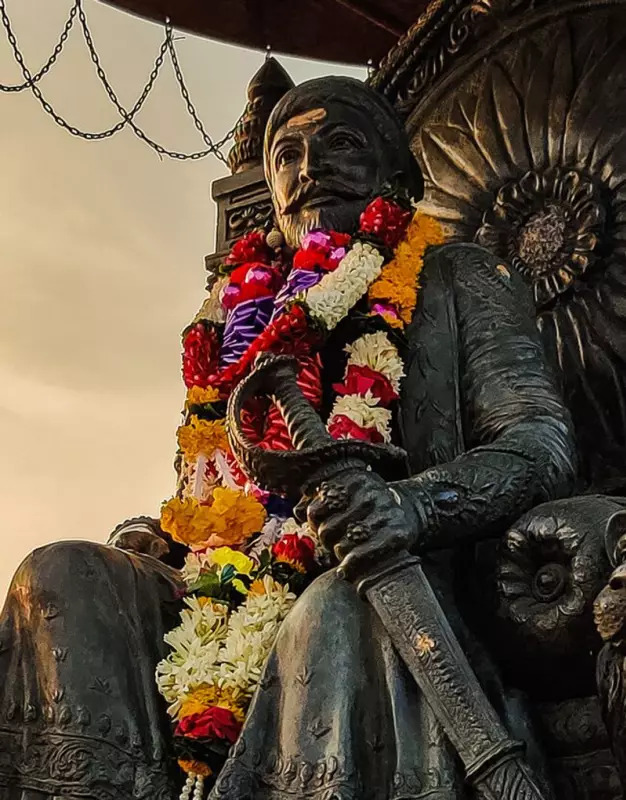
In a significant development concerning historical scholarship and publishing ethics, the prestigious Oxford University Press (OUP) has issued a formal apology to a direct descendant of the legendary Maratha warrior king, Chhatrapati Shivaji Maharaj. The apology pertains to the publication of unverified and objectionable content in a book published over two decades ago.
The Core of the Controversy: A 2003 Publication
The issue stems from a book titled 'Shivaji: Hindu King in Islamic India', authored by James W. Laine and published by OUP's academic division in 2003. The book contained certain passages and claims about the lineage and personal life of Chhatrapati Shivaji Maharaj that were deemed offensive, unsubstantiated, and historically inaccurate by many scholars and the Maratha community. Following its release, the book sparked widespread protests and legal challenges in Maharashtra.
The controversy escalated to the point where the Bombay High Court, in 2007, directed the state government to prohibit the book. The court found the content to be objectionable and likely to disturb public tranquility. For years, the descendant of Shivaji Maharaj and representatives of the community have been seeking redressal from the publisher for the damage caused by the publication.

A Long-Awaited Apology and Corrective Actions
The recent apology marks a pivotal moment in this long-standing dispute. In a communication addressed to Chhatrapati Udayanraje Bhosale, a descendant of Shivaji Maharaj and a Member of Parliament, OUP expressed its regret. The publisher acknowledged the distress caused by the book's content.
OUP confirmed that the book has been formally withdrawn from publication and is no longer available for sale anywhere in the world. Furthermore, the publishing house assured that it has taken serious note of the concerns raised and has reinforced its editorial processes to prevent the recurrence of such incidents. They emphasized their commitment to rigorous fact-checking and sensitivity when handling historical and cultural subjects of great importance.
The apology letter stated that OUP deeply regrets the publication of the unverified material and the subsequent hurt it caused. This step is seen as an acknowledgment of the responsibility that global academic publishers bear when dealing with revered historical figures and culturally significant narratives.
Broader Implications for Historical Publishing
This episode brings to the forefront critical questions about academic freedom, historical accuracy, and cultural respect in publishing. It underscores the need for publishers, especially those of OUP's stature, to exercise extreme diligence when vetting manuscripts that deal with sensitive historical personalities.
The resolution also highlights the perseverance of the Maratha community and Shivaji Maharaj's descendants in seeking accountability for what they perceived as a character assassination of an iconic national hero. The withdrawal of the book and the formal apology are viewed as a vindication of their longstanding position.
Moving forward, this case is likely to serve as a precedent, reminding the global publishing industry of the importance of:
- Robust editorial verification of historical claims.
- Consulting with relevant stakeholders and experts from the culture being written about.
- Understanding the deep emotional and cultural connect communities have with their historical icons.
The apology from Oxford University Press closes a contentious chapter that began in 2003, but its lessons on responsible publishing will undoubtedly resonate for years to come.