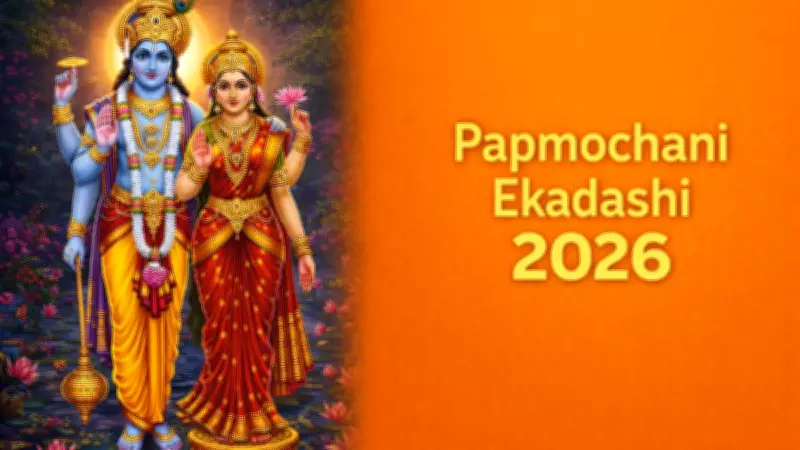
Papmochani Ekadashi 2026: A Deep Dive into Sacred Observances
Papmochani Ekadashi, a revered day in the Hindu lunar calendar, is set to be observed on March 15, 2026. This auspicious occasion holds immense spiritual significance, dedicated to the purification of sins and the attainment of divine blessings. Devotees across India and beyond prepare for this day with fervent devotion, engaging in specific rituals and strict fasting to cleanse their souls and enhance their spiritual journey.
Understanding the Significance of Papmochani Ekadashi
The term "Papmochani" translates to "the remover of sins," highlighting the core purpose of this Ekadashi. It falls during the Krishna Paksha (waning phase) of the Chaitra month, according to the traditional Hindu calendar. This day is believed to offer a unique opportunity for individuals to absolve themselves of past misdeeds and negative karma through sincere worship and adherence to prescribed practices. The spiritual energy of Papmochani Ekadashi is said to amplify the effects of devotional acts, making it a pivotal moment for personal transformation and renewal.
Detailed Fasting Rules and Guidelines for 2026
Fasting on Papmochani Ekadashi is a central aspect of the observance, with specific rules to ensure its efficacy. Devotees typically begin their fast from sunrise on March 15, 2026, and conclude it after sunrise on the following day, March 16. The fasting involves abstaining from all grains, beans, and certain vegetables like onions and garlic. Many opt for a Nirjala fast, refraining from even water, while others may consume fruits, milk, or root vegetables based on personal capacity and health considerations.

- Complete avoidance of rice, wheat, lentils, and salt during the fast.
- Engagement in prayers, meditation, and recitation of Vishnu Sahasranama or other sacred texts.
- Maintaining purity of thought and action, steering clear of negative emotions and behaviors.
- Breaking the fast at the appropriate time after offering prayers to Lord Vishnu.
Traditional Rituals and Worship Practices
The rituals of Papmochani Ekadashi are designed to invoke divine grace and facilitate spiritual cleansing. Devotees wake up early, take a ritual bath, and wear clean clothes, preferably in shades of yellow or white, symbolizing purity. They then visit temples dedicated to Lord Vishnu or set up a home altar for worship. The puja involves offering flowers, incense, lamps, and sacred Tulsi leaves to the deity, accompanied by the chanting of mantras and bhajans.
Essential Ritual Steps:- Perform a thorough cleaning of the worship area and oneself to ensure sanctity.
- Offer naivedyam (food offerings) such as fruits, sweets, or milk-based dishes to Lord Vishnu.
- Listen to or recite the Papmochani Ekadashi Vrat Katha, a narrative that elucidates the importance of this day.
- Engage in charity by donating food, clothes, or money to the needy, as acts of kindness are believed to enhance spiritual merits.
Spiritual Benefits and Transformative Impacts
Observing Papmochani Ekadashi with devotion is said to yield profound spiritual benefits. Primarily, it aids in the removal of sins accumulated over lifetimes, leading to inner peace and liberation from karmic cycles. The fast purifies the body and mind, promoting discipline and self-control, which are essential for spiritual growth. Additionally, devotees often report enhanced mental clarity, reduced stress, and a deeper connection with the divine, fostering overall well-being.
From a broader perspective, this Ekadashi encourages community bonding through collective prayers and charitable acts, reinforcing values of compassion and unity. In 2026, as people navigate modern challenges, the timeless practices of Papmochani Ekadashi offer a sanctuary for reflection and renewal, bridging ancient wisdom with contemporary spiritual needs. By adhering to its rituals and fasting rules, individuals can embark on a path of holistic purification, aligning themselves with higher consciousness and eternal truths.