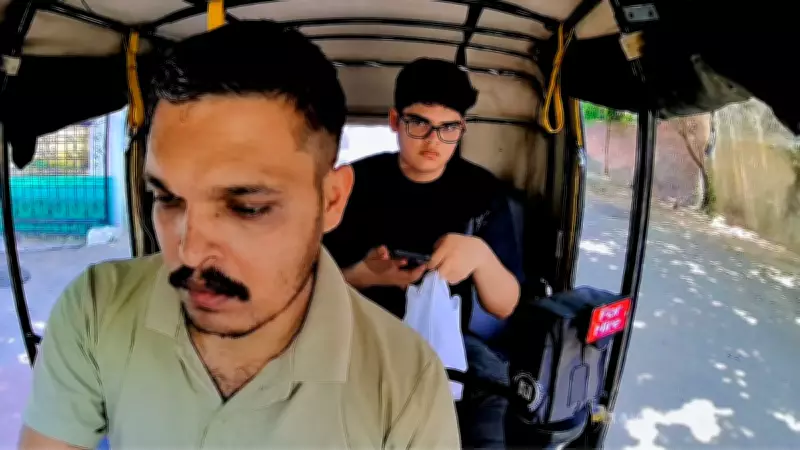
A Nagpur auto-rickshaw driver has won the internet after he returned an extra Rs 50 payment made by a passenger. The incident, which took place on July 2, 2026, was shared on social media by the passenger himself, sparking widespread praise for the driver’s honesty.
What Happened?
The passenger, identified as Rohan Sharma, took an auto from Sitabuldi to Dharampeth in Nagpur. The fare was Rs 100, but Sharma accidentally transferred Rs 150 via UPI. He realized the mistake only after reaching his destination. However, the auto driver, named Sunil Rathod, noticed the overpayment and immediately returned the extra Rs 50 to Sharma.
Sharma later posted about the incident on X (formerly Twitter), saying, “I accidentally paid Rs 50 extra to an auto driver in Nagpur. He returned it without me asking. Such honesty restores faith in humanity.” The post quickly went viral, garnering thousands of likes and shares.

Public Reaction
Netizens lauded Rathod’s integrity. One user commented, “This is the real India. Honest hardworking people like him are the backbone of our society.” Another wrote, “We need more stories like this to spread positivity.” Many called for Rathod to be rewarded, with some offering to send him money.
Rathod, when contacted, said he was just doing his duty. “It’s not my money. I have to earn honestly,” he told a local news outlet. He also mentioned that he has been driving an auto for 10 years and has always tried to be honest with his customers.
Impact
The story has become a talking point in Nagpur, with local auto unions praising Rathod’s actions. Some have even proposed a small reward for him from the community. The incident also sparked discussions about the importance of honesty in everyday transactions, especially in the gig economy where digital payments are common.
According to a 2025 survey by the Reserve Bank of India, UPI frauds have increased by 15% year-on-year, making stories like Rathod’s a refreshing change. The incident serves as a reminder that despite technological advancements, human values remain crucial.