Patna's Makar Sankranti Buzz: 36 Lakh Litres Milk, Kite Frenzy & Sweet Delights
Patna pulses with vibrant energy as Makar Sankranti approaches on January 14. The city's markets hum with festive preparations. Narrow lanes carry the rich aroma of traditional sweets. Colorful kites dance in the sky above crowded stalls. This year promises a celebration in true Patna style.
Dairy Counters Gear Up for Massive Demand
Dairy counters and sweet shops form the heart of the preparations. The Patna Dairy Project expects exceptionally high demand. Officials target sales of around 36 lakh litres of milk. They also plan to sell 11 lakh kilograms of curd on the festival day.
Extensive logistics arrangements ensure smooth supply. Flying squads will monitor distribution in Patna, Vaishali, Saran and Nalanda districts. Special emphasis guarantees uninterrupted availability of milk, curd, paneer and tilkut. Consumers receive firm assurances about no shortages.

Traditional Flavors Fly Off Shelves
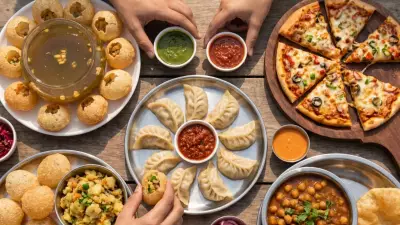
The iconic combination of dahi-chura remains the festival's soul. Bhagalpur's famous Katarni chura sells rapidly in local markets. Regular varieties cost between Rs 70 and Rs 80 per kilogram. Premium basmati chura commands Rs 140 to Rs 180 per kilogram.
Ordinary flattened rice sells for Rs 50 to Rs 60 per kilogram. Gud or jaggery prices range from Rs 80 to Rs 100. Roshan Gupta, a vendor at Raja Bazaar, observes surging demand. People stock up not only for household use but also for sharing with relatives and friends.
"Katarni chura, gud khasta gajak and gud tilkut are more in demand," Gupta says.
Sweets Shops Overflow with Tilkat Varieties
Sweet shops experience equal crowding, especially those selling tilkut. Plain tilkut costs Rs 350 to Rs 450 per kilogram. Gud-mixed tilkut sells for Rs 450 to Rs 600. Dry-fruit tilkut ranges from Rs 700 to Rs 900. Sugar-coated varieties command Rs 850 to Rs 1,100 per kilogram.
Jaya Madhan, online sales manager at a confectionery shop near Gandhi Maidan, notes new product introductions. "Til patti, til bugga, gud kachcha gola, gud dry-fruits gajak, chocolate gajak tilkut, gud biscuits and sandesh fly off the shelves," she explains.
The shop offers a special Makar Sankranti gift hamper. It includes tilkut, gajak and other sweets starting from Rs 360. Customers can also select sweets of their choice with prices calculated accordingly.
Shopkeepers in Kankarbagh, Boring Road, Rajendra Nagar, Dak Bungalow and Mithapur report large crowds. The fragrance of roasted sesame and jaggery draws people in.
Kite Markets Soar with Colorful Options
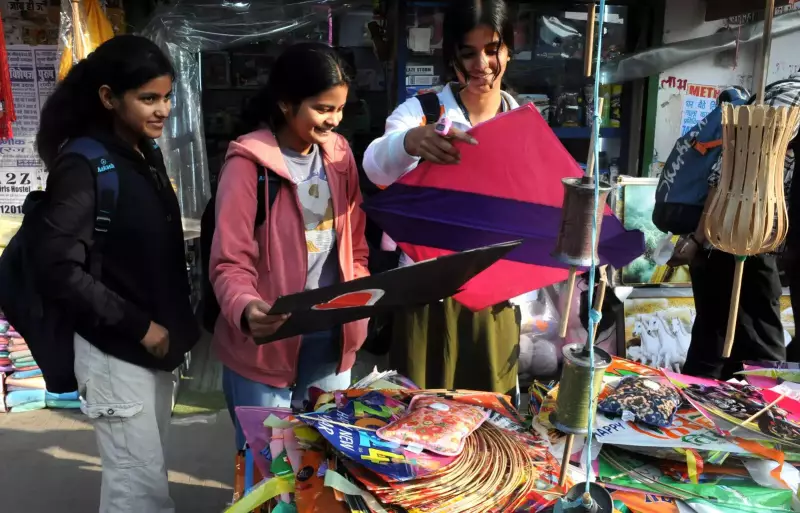
Kite-flying gains strong momentum as another cherished festival tradition. Markets overflow with paper and durable plastic kites. Designs feature cartoon characters, animal shapes, animated themes and abstract patterns.
Santosh Kumar, a kite seller at Kadamkuan, receives stock from Gujarat, Kanpur and Bareilly. "Paper kites cost Rs 20 to Rs 40 per piece," he says. "Plastic ones range from Rs 50 to Rs 80 depending on size and design."
Manja or kite string prices stand between Rs 120 and Rs 250 per 1,000 meters. Larger or designer kites start from Rs 120 and reach up to Rs 500 each. Another kite seller from Hajiganj in Patna City sells over 100 kites within a week.
"The craze for this traditional activity during the festival remains alive," he confirms.
Temples Prepare for Devotees
Temples across the city make special arrangements for devotees. Major sites including Gandhi Ghat and Collectorate Ghat prepare for Ganga snan, daan and puja. Prominent shrines throughout Patna welcome worshippers for the auspicious occasion.
The city truly embraces the Makar Sankranti spirit with every preparation detail covered. From dairy logistics to sweet shop innovations, Patna showcases its festive enthusiasm. Kite sellers witness traditional passion while temples ready for spiritual observances. Makar Sankranti in Patna promises a memorable celebration blending tradition with contemporary energy.