Pink Elephant's Tragic Death After Viral Art Shoot Ignites National Debate on Animal Rights
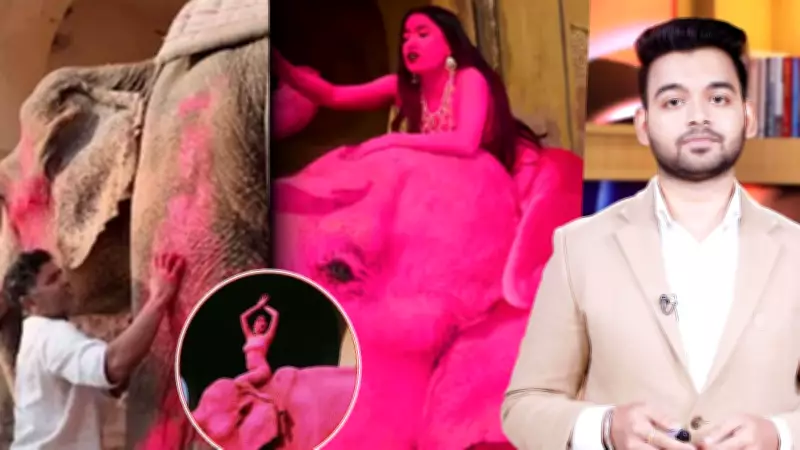
The death of an elephant that was featured in a widely shared "pink elephant" photoshoot has erupted into a major national controversy in India, raising profound questions about the ethics of using animals in artistic expression. What began as a visually arresting art project in Jaipur by Russian artist Julia Buruleva has now transformed into a heated public debate following the animal's passing.
From Viral Sensation to National Outrage
The images of the elephant painted pink quickly captured global attention when they first surfaced online, drawing both admiration for their striking visual appeal and immediate criticism from animal welfare advocates. The controversy has intensified dramatically since news of the elephant's death became public, shifting the conversation from artistic appreciation to ethical condemnation.
Authorities and the animal's caretakers have defended the project, claiming that only herbal-based paints were used and that the elephant was cleaned promptly after the photoshoot to ensure its safety and well-being. They maintain that proper precautions were taken throughout the artistic process.

The Core Ethical Debate
However, public sentiment tells a markedly different story. Animal rights activists, concerned citizens, and numerous organizations argue that the fundamental issue extends beyond mere safety protocols. They contend that using animals as artistic tools or props raises serious ethical concerns about exploitation, consent, and the inherent dignity of living creatures.
The incident has sparked broader questions about:- The adequacy of existing regulations governing animal use in artistic and commercial projects
- The responsibility of artists, organizers, and authorities in ensuring animal welfare
- The appropriate boundaries between creative expression and potential cruelty
- How society should balance artistic freedom with ethical considerations
Shifting Public Perception in India
This controversy highlights how rapidly public perception can evolve when new developments emerge. The narrative has shifted dramatically from initial fascination with the unusual images to widespread outrage following the elephant's death. This transformation reflects a deeper change occurring in how Indian society views animal rights and welfare.
From admiration to anger, the story underscores growing public sensitivity to animal treatment and a decreasing tolerance for practices that might compromise animal well-being, even in the name of art. The incident has become a focal point for discussions about where lines should be drawn between creative expression and ethical responsibility.
Broader Implications for Art and Ethics
The pink elephant controversy has transcended a single incident to become a symbolic case study in the ongoing tension between artistic freedom and ethical constraints. It raises critical questions about:
- Where exactly should boundaries be established between legitimate artistic expression and potential animal exploitation?
- How can regulations be strengthened to better protect animals while still allowing for creative endeavors?
- What responsibilities do artists bear when incorporating living creatures into their work?
- How should society navigate the complex relationship between human creativity and animal welfare?
The focus has now crystallized around a central question that resonates far beyond this particular case: In a society increasingly concerned with animal rights, where should we draw the line between creativity and cruelty? The debate continues to unfold as different perspectives clash over this fundamental ethical dilemma.