Kolkata's Poila Boishakh Dining Scene Undergoes a Culinary Transformation
The celebration of Poila Boishakh in Kolkata is increasingly characterized not by a rigid, traditional feast but by the diverse ways and places where people choose to dine. Across the city's restaurants and cafés, this year's menus reveal a significant shift: while tradition remains at the heart of the festivities, it is being creatively reinterpreted, expanded, and often subtly integrated with global culinary trends.
Contemporary Interpretations of Bengali Staples
At Spiegel, the festive menu honors Bengal's deep-rooted connection with rice but presents it through a modern perspective. A fenabhat rice bowl transforms the fermented staple into an elegantly composed dish, while classic items like sorshe mach (mustard fish) are served alongside innovative new combinations. The use of seasonal ingredients, especially mango, and beverages such as aam pora paired with cold brew coffee highlights a trend toward experimentation within a familiar framework.
Traditional Homestyle Offerings with Subtle Twists
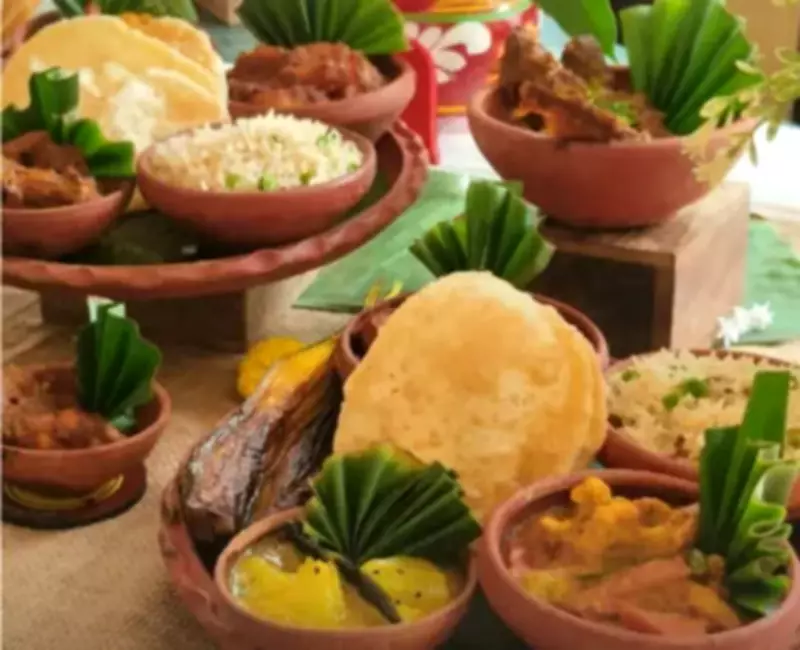
A more conventional approach is evident at Bhawanipur House, where the menu closely mirrors Bengali home-style cooking. Summer refreshments like aam pora and bel shorbot accompany starters such as mochar chop, dimer devil, and crumb-fried fish and prawn cutlets. The emphasis, however, is on complete meals—vegetarian and non-vegetarian thalis featuring luchi, pulao, kosha mangsho or mixed vegetables, and timeless dishes like pabda macher jhal and gondhoraj bhetki. Desserts, including baked rosogolla and mihidana cheesecake, demonstrate gentle reinterpretations without straying too far from the recognizable.

Rice Reimagined as a Global Culinary Canvas
Elsewhere, rice is being repositioned—not merely as a staple but as a versatile format that transcends regional boundaries. At 25 Main Street Cafe, a new menu centered on basmati rice places it at the core of globally inspired plates. Dishes traverse various cuisines, from creamy Stroganoff-style preparations to seafood-focused offerings, suggesting that festive dining is no longer confined to regional expectations.
Comfort-Driven Menus and Informal Celebrations
Simultaneously, comfort-oriented, crowd-pleasing menus continue to attract diners. The Biryani Canteen is highlighting its Kolkata-style mutton and chicken biryani alongside North Indian staples like paneer and fish curries, dal fry, and basanti pulao. Although not traditionally associated with Poila Boishakh, such menus underscore a parallel trend: for many patrons, the festival is as much about indulgence and familiarity as it is about culinary heritage.
This evolution is also apparent in all-day dining formats. At Café Offbeat UpThere, an extensive menu of small plates and comfort food—ranging from loaded nachos to pizzas and fusion snacks—caters to groups seeking a more casual way to commemorate the occasion.
A Citywide Culinary Evolution
These examples are not isolated. Across Kolkata, numerous restaurants—both standalone establishments and those within hotels—are adapting their Poila Boishakh offerings, striking a balance between nostalgia and flexibility. Fixed festive thalis coexist with modular menus; regional specialties appear alongside international dishes; and traditional beverages are being reinvented with contemporary pairings.
The outcome is a festival table that is no longer monolithic. In contemporary Kolkata, Poila Boishakh is equally likely to be celebrated with a structured Bengali meal as with a medley of small plates, rice bowls, or biryani shared among friends and family. This reflects a city where food traditions continue to evolve, embracing innovation while steadfastly preserving their foundational roots.