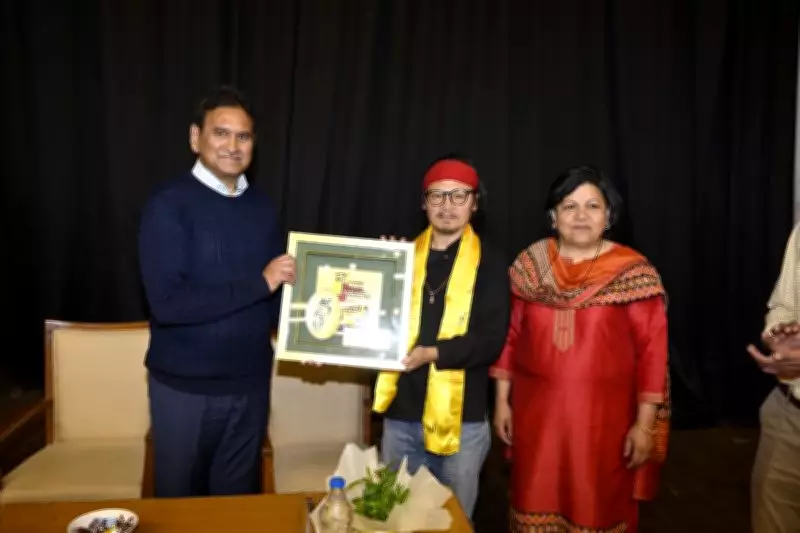
In a recent address, Tsundue, a prominent cultural advocate, stressed the critical importance of preserving cultural heritage through a combination of rigorous research and active community engagement. Speaking at a conference on heritage conservation, he emphasized that cultural traditions are not static relics but living entities that require continuous study and community participation to thrive.
The Role of Research in Heritage Preservation
Tsundue highlighted that academic research plays a pivotal role in documenting and analyzing cultural practices, languages, and rituals. He noted that many indigenous traditions are at risk of being lost due to modernization and globalization. Research helps in creating comprehensive records that can serve as a foundation for revival efforts. He urged universities and research institutions to prioritize projects that focus on local heritage, especially in regions like Himachal Pradesh, which boasts a rich tapestry of cultures.
Community Engagement as a Pillar
Beyond research, Tsundue underscored the necessity of involving local communities in preservation efforts. He argued that heritage cannot be preserved in isolation; it must be lived and practiced by the people. Community engagement ensures that traditions are passed down through generations and adapted to contemporary contexts. He cited examples of successful initiatives where elders and youth collaborated to revive folk songs, dances, and crafts.

Challenges and Opportunities
Tsundue acknowledged the challenges posed by urbanization and changing lifestyles, which often lead to a disconnect from traditional roots. However, he also pointed out opportunities presented by digital technology. Digital archives and social media can be powerful tools for documenting and disseminating cultural knowledge. He called for a balanced approach that respects the authenticity of traditions while embracing innovation.
Call to Action
In his concluding remarks, Tsundue appealed to policymakers, educators, and community leaders to work together. He proposed the establishment of cultural resource centers in rural areas and the integration of heritage studies into school curricula. By fostering a sense of pride and ownership among the youth, he believes that cultural heritage can be preserved for future generations. The event saw participation from scholars, students, and local artists, all echoing the need for collective action.