Everyday Survival and Basic Rights Remain a Struggle for Most LGBTQIA+ Individuals
The year 2026 has been a 'queer' year overall. Following the post #MeToo and Covid years, 2026 continues with increasing gender divides. India is witnessing a strong backlash from men who feel increasingly emasculated and left out. Issues ranging from dating to perceptions of family law and the widely discussed male loneliness epidemic are primarily blamed on women's education and empowerment, which indeed results in women expressing agency.
The collapse of traditional structures, however, is leaving many men helpless and rejected, which in turn has escalated risks to women's safety and a regressive tolerance of aggravated violence against women. This trend is global but more aggressive in countries with higher vulnerability. For instance, social media posts last week showed a spouse separated from her husband being publicly trashed, tonsured, and forced to drink urine, with over 200 comments from men supporting, rejoicing, and calling for higher violence against women to punish perceived or real 'infidelity'.
Where Does the Third Gender Stand?
Many Indian men and women cannot separate subjective ethical and moral standards from legal offence. Violence against women has been a tool for ages, and now it's 'desperate measures for desperate times' as divorce rates rise, crimes against men gain visibility, and autonomy challenges compromise. Where does the third gender stand in such times? How tolerant is the nation — beyond the literary and liberal elite — of alternate sexual and gender orientation (SOGI)?

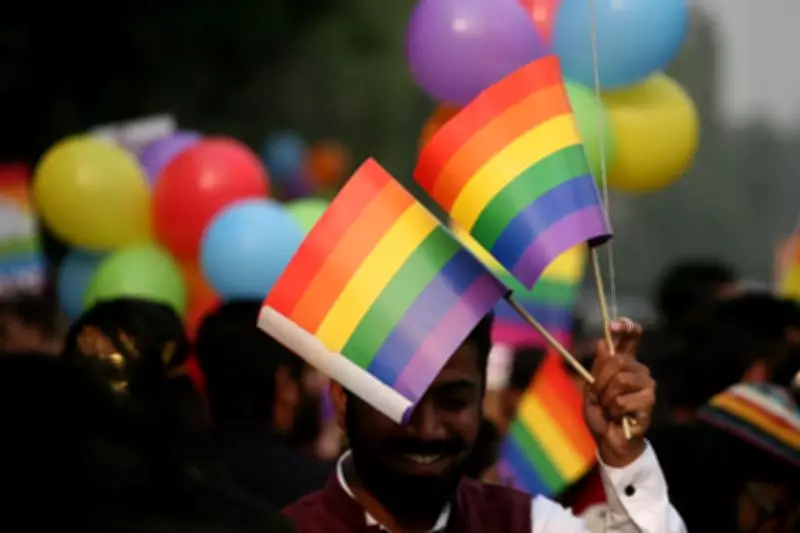
Literature often serves as a hallmark of tolerance but can be deceptive. Queer posts and pride month celebrations are aplenty, but is tolerance increasing, decreasing, or staying constant in the age of expression and awareness? 2026 saw an unprecedented economic influence following the 2025 backlash for the queer landscape, alongside a continued rise in legislative and cultural polarisation. India weathered the storm in 2025, both better and worse. Although the third sex and gender transition rights didn't get attacked (yet), global winds did touch SOGI communities, starting with DEI initiatives and funding.
Legislative Changes and Resilient Literature
2026 saw the passing of the Protection of Rights Amendment Bill, which removed the right to self-identification. However, queer literature continues to evolve without regression, showing resilience and stepping into stories that are more human than queer, making the community and its struggles mainstream. As pride month progresses, one year after the publication of 'Queer Chronicles', it is promising to see books like 'Queer India Now' and 'HUM' published nationally and internationally in 2026.
According to Aprita Das, founder of Yoda Press, queer literature has now found the audience publishers had dreamed of in millennials and Gen Z. However, the underbelly of the queer landscape in India doesn't show a picture too different from where women's rights were in the early 2000s. It is defined by a sharp contrast between highly visible urban progress and a dark, mostly hidden web of systemic familial violence, healthcare exclusion, and deep-rooted stigma.
Urban Progress vs. Hidden Violence
While some metropolitan centres have ever-growing queer scenes, everyday survival and basic rights remain a struggle for most LGBTQIA+ individuals. This has arguably worsened despite the increased appetite for nuanced stories and voices. Activism has shifted from property rights, conjugal and parental rights, and inclusive language to the right to exist and identify.
What does this mean for contemporary India? The progress made on women's safety and rights post-Nirbhaya is having a moment. Increasing demand for consent and agency has decreased means of control, and changing gender roles, though necessary and inevitable, are difficult for both men and women to navigate. Will queer rights follow a similar trajectory, or will the queer stories finding an audience help bridge the gap within the cis-hetero space?

Accepting Complexity for a Better India
The LGBTQIA+ community doesn't owe this to anyone. However, listening to Alok Vaid Menon, an American writer, performer, and queer rights activist, who talks about the acceptance of his personal non-conforming dressing and expression in the context of acceptance of complexity, there is an argument to be made. Accepting complexity — increased curiosity and tolerance of human existence in all forms and flavours — can serve the broader goal of acceptance of humanity and de-objectification of all members of the human race. That would be a good thing for India, socially and economically.