In the vast, interconnected network of Indian Railways, where millions of stories unfold daily, a simple Reservation Against Cancellation (RAC) ticket became the unlikely catalyst for a deep and enduring human bond. This is a personal account of how sharing an upper berth transcended the typical anonymity of train travel, weaving a narrative of warmth and shared humanity.
The Unplanned Companionship of an RAC Ticket
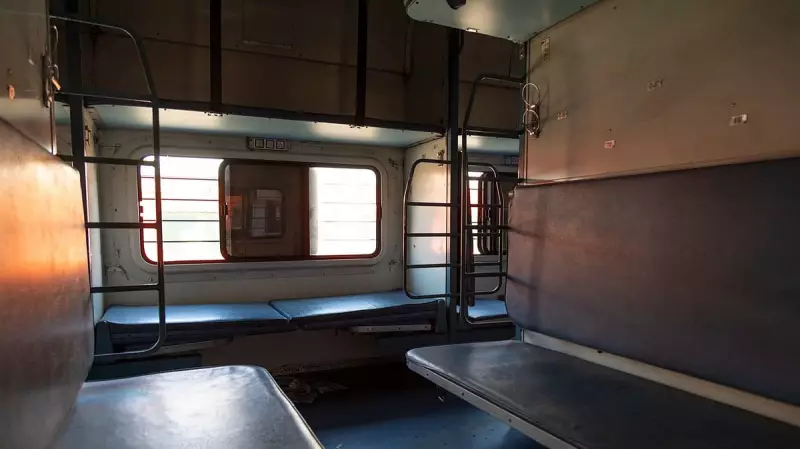
The journey began with the familiar uncertainty of an RAC ticket, a status familiar to countless Indian travellers. It promises a confirmed berth, but the specific seat or the company you keep remains a mystery until the final chart is prepared. For the author, Akhila Siddegowda, this uncertainty materialized as an upper berth assignment. This space, often considered less desirable for its height and isolation, became the shared territory for two strangers.
Unlike the defined privacy of a lower or side berth, the upper berth in this scenario fostered an unavoidable intimacy. There was no escaping the proximity, the shared use of the limited space, and the necessary negotiations for comfort. This forced closeness, rather than creating tension, slowly broke down the invisible walls people erect around themselves in public transport.

Forging a Blanket Bond in Confined Quarters
The phrase "blanket bond" used by Siddegowda is powerfully evocative. It goes beyond mere acquaintance. A blanket on a train is a personal item, offering warmth and security. To share that, metaphorically or literally, signifies a level of trust and vulnerability. In the confined quarters of the Indian Railways compartment, this bond was woven through quiet conversations, shared glances, unspoken understandings over luggage space, and perhaps a mutual acknowledgment of the journey's weariness.
The experience highlights a unique aspect of Indian train travel. It is a great social leveller, where people from vastly different walks of life are brought together for hours or days. The train journey itself, with its rhythmic sounds and passing landscapes, provides a backdrop against which conversations flow more freely. The RAC status, in particular, creates a common ground of slight unpredictability that passengers navigate together, often leading to camaraderie.
The Lasting Impact of a Transient Meeting
What makes this account stand out is the lasting impression left by this transient meeting. The encounter, detailed by Akhila Siddegowda on December 2, 2025, was not just a fleeting moment of politeness. It was a genuine connection that challenged the notion that such journeys are merely about getting from point A to point B. It underscored how human beings can find common ground and offer companionship in the most unexpected settings.
The story serves as a poignant reminder in our fast-paced, often impersonal world. It suggests that the essence of travel, especially on a system as integral to India as its railways, lies as much in the people you meet as in the destinations you reach. The upper berth, often sought to be avoided, became a vantage point for observing and participating in a small but meaningful act of shared existence.
In conclusion, this narrative is more than a travel anecdote. It is a microcosm of Indian society—diverse, adaptable, and capable of creating warmth in shared spaces. The next time you find yourself with an RAC ticket or an upper berth assignment, remember that it might not just be a seat you are being given, but an opportunity for an unforgettable human connection.