Ranchi Celebrates Makar Sankranti with Rituals, Kites and Regional Flavors
Ranchi celebrated Makar Sankranti with warmth and devotion. Communities across the city marked the harvest festival in their own distinctive ways. They shared a common spirit of gratitude and renewal.
Morning Rituals and Family Gatherings
The day began early with traditional rituals in many households. Families offered prayers to the Sun God. They prepared seasonal delicacies using sesame, rice, and jaggery. Rooftops, courtyards and places of worship reflected the spirit of thanksgiving.
Rakesh Kumar, a resident of Harmu, explained the significance of the day. "Makar Sankranti is about gratitude and togetherness," he said. "We start the day quietly with puja and spend time with family."

The city remained calm and reflective through the morning. Most people opted for home celebrations.
Kite Flying Adds Playful Energy
As the day progressed, the festive mood shifted. Rooftops and open terraces came alive with colorful kites. This was especially visible in residential areas like Harmu, Doranda and Lalpur.
Children and youngsters engaged in friendly kite-flying battles. Their playful energy added a lively rhythm to the laid-back festival atmosphere.
Diverse Regional Traditions on Display
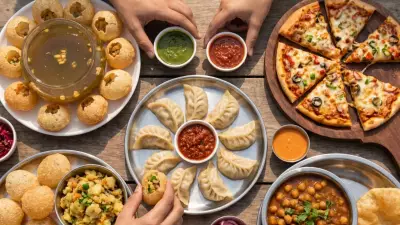
Bengali families across Ranchi observed Poush Sankranti. They prepared an array of homemade sweets like pithe-puli and payesh. These dishes used the season's new rice.
Kitchens turned into social spaces. Families came together to cook and share food. "Making pithe is a collective effort," said Ananya Chatterjee from Bariatu. "It brings generations together and keeps our traditions alive."
Telugu households marked the festive period with Bhogi celebrations. This event marks the first day of the four-day festival cycle. Homes were decorated with colorful rangoli designs.
Families prepared traditional dishes. They offered the first harvest rice in prayers to Surya, the Sun God. "Sankranti reminds us of our agrarian roots," said K. Srinivas, a resident of Lalpur. "Even in a city like Ranchi, we follow the rituals with devotion."
Malayali families celebrated through Makara Vilakku observances. They offered prayers and prepared festive meals at home. Assamese households also participated. They observed Magh or Bhogali Bihu, adding to the rich tapestry of celebrations.
The aroma of seasonal delicacies filled the air across Ranchi. The harvest festival truly showcased the city's cultural diversity. Each community maintained its unique traditions while sharing the universal themes of gratitude and new beginnings.