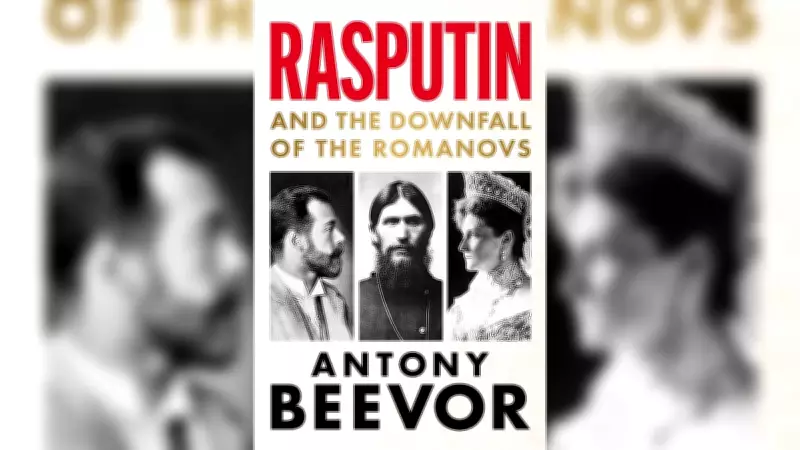
Rasputin and the Downfall of the Romanovs: A Critical Book Review
A recently published book delves into the enigmatic figure of Grigori Rasputin and his profound impact on the final years of the Romanov dynasty in Russia. This work offers a detailed examination of how Rasputin's influence over Tsar Nicholas II and his family played a pivotal role in the monarchy's eventual collapse in 1917.
The Mystic's Rise to Power
The book meticulously traces Rasputin's journey from a Siberian peasant to a trusted confidant of the Russian royal family. It highlights his reputation as a mystic and faith healer, which earned him the favor of Tsarina Alexandra, especially due to his alleged ability to alleviate the symptoms of her son Alexei's hemophilia. This connection granted Rasputin unprecedented access to the inner circles of power, allowing him to sway political and personal decisions.
Controversial Influence and Political Fallout
Rasputin's involvement in state affairs is portrayed as a major catalyst for public discontent. The author argues that his meddling in appointments and policies, often based on personal whims or spiritual advice, undermined the credibility of the Tsarist regime. This erosion of trust among the nobility, military, and general populace is detailed as a key factor leading to the revolution.

The book also explores the scandals and rumors surrounding Rasputin, which further tarnished the Romanov image. His lavish lifestyle and alleged immoral behavior fueled gossip and criticism, painting the monarchy as out of touch and corrupt. These narratives are analyzed for their role in destabilizing the dynasty's authority.
The Downfall and Legacy
The narrative culminates in Rasputin's assassination in 1916 and the subsequent abdication of Tsar Nicholas II in 1917. The book posits that Rasputin's death did little to salvage the Romanovs' fate, as the damage was already irreversible. It concludes by reflecting on how this period reshaped Russian history, marking the end of centuries of imperial rule.
Key insights from the book include:
- Rasputin's unique position as a non-aristocratic influencer in a rigid hierarchical society.
- The interplay between personal faith and political decision-making in the royal court.
- The broader historical context of World War I and social unrest that exacerbated the crisis.
This review underscores the book's contribution to understanding a turbulent era, making it a compelling read for history enthusiasts and scholars alike.