People often encounter situations that feel too big, too hard, or too powerful to control. These challenges can be technological, competitive, personal, work-related, or societal. In response, some individuals avoid them entirely, while others attempt to fight them head-on. However, neither approach guarantees success.
The Symbolism of the Dragon in Chinese Culture
The Chinese have a traditional method of explaining complex ideas through symbols and imagery. In Chinese culture, dragons symbolize strength, power, unpredictability, and transformation. Rather than being purely evil, the dragon represents a force that must be understood and used wisely.
Understanding the Proverb
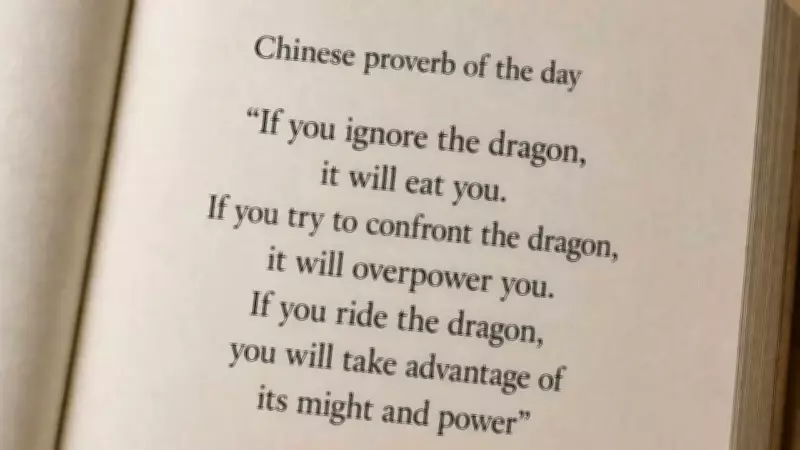
The saying goes: 'If you ignore the dragon, it will eat you. If you try to confront the dragon, it will overpower you. If you ride the dragon, you will take advantage of its might and power.' This practical lesson suggests that people benefit more from understanding and learning to work with powerful forces than from avoiding or directly confronting them.

Why Ignoring Problems Can Create Bigger Difficulties
Most people avoid difficult situations because they feel uncomfortable or overwhelmed. However, problems rarely disappear when ignored. They often grow more serious over time, such as financial troubles, health issues, or workplace conflicts. As the proverb implies, a problem left unaddressed becomes harder to handle. Identifying challenges early provides more opportunities to address them effectively.
The Risks of Direct Confrontation
The proverb also warns against aggressive reactions without understanding the situation. Some forces in life are too large or complex to overcome through simple resistance. For instance, failing to keep pace with rapid technological changes, economic shifts, or uncontrollable realities can lead to frustration and failure. This does not mean people should stop trying; rather, it highlights the importance of strategy and flexibility.
What It Means to 'Ride the Dragon'
The core of the proverb is the concept of 'riding the dragon.' This involves learning to work with powerful forces instead of against them. Practically, this means adapting to change, acquiring new skills, and turning challenges into opportunities. For example, rather than resisting technological advances, people can learn to adapt and leverage them. This approach encourages intelligence, adaptability, and balance.
Relevance in Modern Life
This ancient proverb remains highly applicable today. In a world of rapid changes in technology, communication, careers, and global systems, ignoring these shifts can lead to difficulties. Conversely, resisting every new development can be stressful and limiting. Thoughtful adaptation positions individuals to take advantage of new opportunities, emphasizing flexibility in a fast-changing environment.
How Adaptability Creates Strength
Flexibility enables people to handle difficult situations effectively. Adaptable individuals do not become stuck in fear or resistance; they adjust their thinking and behavior. This leads to resilience, improved decision-making, and the ability to turn challenges into growth areas. The proverb teaches that strength is not always about force but often about understanding and adjustment.
Why This Proverb Still Matters Today
Though ancient, this saying speaks to contemporary life, which involves uncertainty, competition, and rapid change. The concept of 'riding the dragon' applies to careers, education, technology, relationships, and personal growth. It encourages alertness, flexibility, and strategic thinking. Its message remains relevant because it offers practical wisdom, not mere optimism or fear.

How to Apply This Proverb in Daily Life
- Do not ignore problems; confront them early.
- Avoid emotional reactions in powerful situations.
- Embrace change instead of fighting it.
- Learn new skills as circumstances evolve.
- View challenges as opportunities for growth.
- Emphasize strategy over brute force.
- Be flexible in uncertain circumstances.
- Understand the system before trying to change it.
- Turn tough situations into learning experiences.
- Work with reality, not against it.
- Stay calm when facing big challenges.
- Use knowledge and ability to move forward.
A Simple Takeaway
The meaning of the proverb is clear: ignore problems, and they grow stronger; fight blindly, and you will be defeated. By understanding and adapting to powerful situations, you can achieve better results. The moral is to 'ride the dragon' to harness its strength and power. This is a clever lesson in confronting challenges and change. The proverb advocates awareness, flexibility, and intelligent adaptation, avoiding avoidance or unnecessary conflict. In a world of constant change, this approach remains highly relevant. Success lies not in controlling all forces but in knowing how to ride them well.
About the Author: The TOI Lifestyle Desk is a dynamic team of dedicated journalists who, with unwavering passion and commitment, sift through the pulse of the nation to curate a vibrant tapestry of lifestyle news for The Times of India readers. At the TOI Lifestyle Desk, we go beyond the obvious, delving into the extraordinary. Consider us your lifestyle companion, providing a daily dose of inspiration and information. Whether you're seeking the latest fashion trends, travel escapades, culinary delights, or wellness tips, the TOI Lifestyle Desk is your one-stop destination for an enriching lifestyle experience.