Ancient Roman Wine Was More Sophisticated Than We Imagined
For decades, people viewed ancient Roman wine as a crude, simple drink. Historians often described it as rough and unrefined compared to modern varieties. However, fresh archaeological evidence now paints a completely different picture. Researchers have discovered that Roman winemaking involved advanced techniques that produced complex, stable, and flavorful wines.
Clay Jars Transformed Winemaking
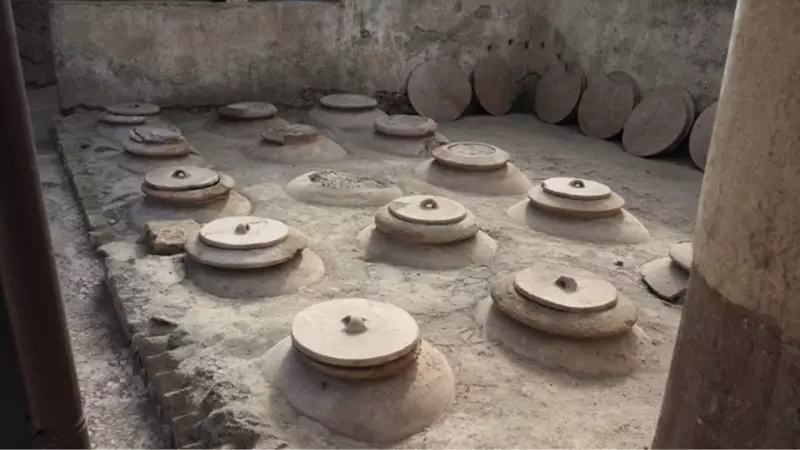
Archaeologists Dimitri Van Limbergen from Ghent University and Paulina Komar from the University of Warsaw led this groundbreaking study. They focused on massive clay containers called dolia. These were not mere storage vessels. Instead, dolia functioned as complete production units where fermentation, settling, and aging all occurred in one place.
The physical design of these jars played a crucial role. Their narrow bottoms helped separate solids from crushed grapes naturally during fermentation. This process likely produced clearer wine and influenced its color. Romans may have created wines in various shades including yellow, gold, amber, brown, and red.

A Distinctive Flavor Profile Emerges
Roman wine probably tasted quite different from contemporary reds and whites. According to the research, it carried a slight spiciness with aromas resembling toasted bread and walnuts. This sensory description challenges the old assumption that Roman wine was merely strong or sweet. It suggests Romans carefully crafted their wine for taste, smell, and texture.
Van Limbergen emphasized that this work questions modern assumptions about Roman techniques. It shows Romans could produce wines that were both enjoyable and consistent over time.
Evidence of a Massive Wine Industry
The widespread presence of dolia cellars across the Roman world indicates large-scale, organized production. This was especially true between the second and fourth centuries AD. The infrastructure points to a sophisticated industry capable of producing and storing enormous quantities of wine.
Researchers argue this scale, combined with the sensory qualities of Roman wine, demonstrates that winemaking was not just a cultural habit. It was a technical skill that Romans refined over generations.
Parallels With Ancient Traditions
While most modern wine ferments in metal tanks, the Roman method shares surprising similarities with older traditions that survive today. The study compares Roman dolia to Georgian qvevri, large clay vessels still used for fermentation. This comparison suggests clay-based winemaking was not a crude historical phase but a deliberate technology that shaped taste, stability, and color in ways modern steel tanks cannot replicate.
Redefining Roman Beverages
Roman wine was far more than a background detail in ancient life. It played vital roles in religious rituals, social gatherings, trade, and daily meals. Yet for years, its true flavor remained elusive. By examining the vessels themselves, this new study offers a clearer picture of Roman wine as something more advanced than modern stereotypes suggest.
If the researchers are correct, Roman wine was not only drinkable but surprisingly refined. Its flavors and aromas would stand out even today, challenging our perceptions of ancient culinary sophistication.