For centuries, the colour purple has been synonymous with power, wealth, and royalty. This association wasn't born from mere preference but from an extraordinary history of rarity, painstaking production, and imperial decree that reserved this vibrant hue exclusively for the elite.
The Ancient Monopoly on a Precious Hue
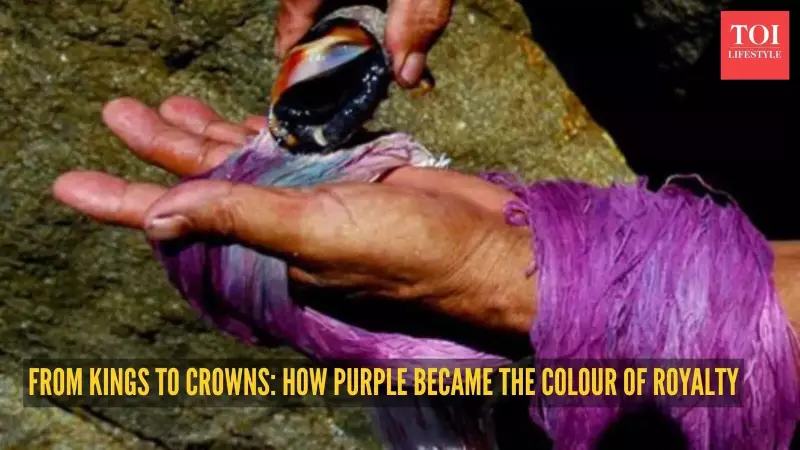
The story of royal purple begins with a simple marine creature. The dye, known as Tyrian purple, was created from the desiccated glands of a specific species of sea snail called Bolinus brandaris. The process was incredibly labour-intensive and wasteful. Harvesters had to crack open thousands of snail shells, extract a mucus-like secretion, and expose it to sunlight for a precise duration to achieve the famous vibrant shade.
Its rarity dictated its prestige. Historical records suggest it took a staggering 250,000 molluscs to produce just one ounce of usable dye. This immense cost made the colour worth its weight in gold, placing it firmly out of reach for common citizens and reserving it as a visual symbol of ultimate status and divine right to rule.

From Persian Kings to Byzantine Emperors
The royal adoption of purple was widespread across ancient empires. Persian King Cyrus the Great famously adopted a purple tunic as his official royal uniform. The Romans took exclusivity to a severe extreme, with several emperors forbidding commoners from wearing purple under penalty of death, effectively seizing the colour for the imperial household.
The tradition reached its zenith in the Byzantine Empire. Emperors wore flowing purple robes, signed official edicts in purple ink, and the phrase 'born in the purple' was coined to describe children born to a reigning emperor, highlighting their supreme legitimacy. The dye's main production centre was the Phoenician city of Tyre, in modern-day Lebanon, which controlled this lucrative ancient trade.
The Democratisation of a Royal Colour
The imperial monopoly on purple finally began to weaken after the fall of the Byzantine Empire in the 15th century. However, it was a scientific breakthrough in the 1850s that truly democratised the colour. The invention and mass production of the first synthetic dyes made vibrant purple fabrics affordable and accessible to everyone, breaking its millennia-old association solely with royalty.
Beyond royalty, purple also gained deep spiritual significance. The Catholic Church incorporated it into liturgical vestments for seasons like Advent and Lent, symbolising penance, preparation, and reflection. Today, the colour retains its powerful connotations, widely associated with creativity, wisdom, spirituality, and imagination.
So, the next time you see or wear something purple, remember its remarkable evolution—from a dye so rare it was guarded by kings, to a synthetic shade available to all, yet still carrying an enduring legacy of luxury and majesty.