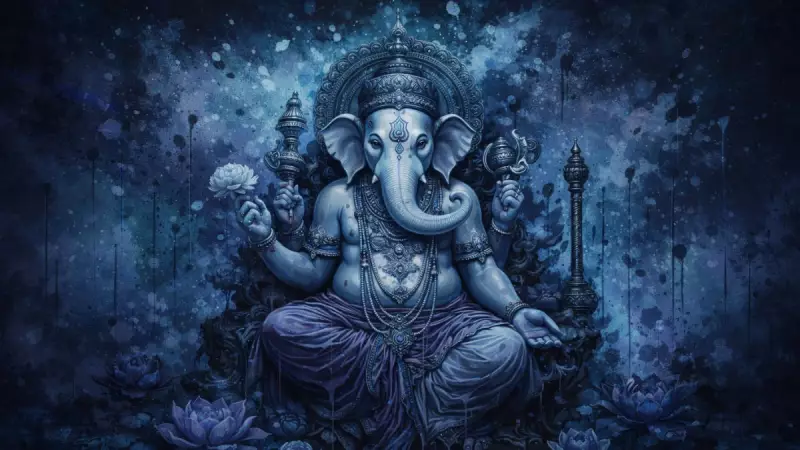
Devotees across India will observe the auspicious fast of Sakat Chauth in 2026, a day dedicated to Lord Ganesha and the well-being of children. This significant vrat, also known as Sankashti Chaturthi, falls in the Hindu month of Pausha during the Krishna Paksha. In the coming year, Sakat Chauth will be observed on Friday, January 2, 2026.
Sakat Chauth 2026: Key Timings and Moonrise
The success of the Sakat Chauth vrat hinges on the correct observance of timings, particularly the moonrise. The fast is broken only after sighting the moon and performing the necessary rituals. For Sakat Chauth 2026, the Chaturthi tithi begins at 11:04 AM on January 1, 2026, and concludes at 08:17 AM on January 2, 2026.
Given these timings, the vrat will be observed on January 2. The most awaited moment for devotees is the moonrise. It is expected that the moon will rise at approximately 08:49 PM on January 2, 2026. Devotees should confirm the local moonrise timing in their city before breaking their fast.

Puja Vidhi: The Rituals of Sakat Chauth
Observing Sakat Chauth involves a series of rituals performed with devotion. The fast is traditionally kept by mothers for the long life and prosperity of their sons, though many observe it for the wellness of all their children. The puja vidhi is as follows:
Devotees wake up early, before sunrise, and take a holy bath. A strict nirjala (without water) fast is observed throughout the day. In the evening, preparations for the puja begin. An idol or picture of Lord Ganesha is placed on a clean platform.
The puja involves offering various items to the deity, which include:
- Modaks (sweet dumplings), believed to be Lord Ganesha's favorite.
- Laddoos and other sweets.
- Durva grass (21 blades).
- Red flowers.
- A diya (lamp) fueled by pure ghee.
After performing the aarti and reciting the Sakat Chauth Vrat Katha, devotees wait for the moon to appear. Once the moon is sighted, they offer water (arghya) to the moon. Finally, the fast is broken by consuming the offered prasad and a meal. It is considered highly auspicious to include gud (jaggery) and til (sesame seeds) in the first morsel after the fast.
The Profound Significance of the Vrat
Sakat Chauth holds immense spiritual and cultural significance in Hindu tradition. The term 'Sakat' is another name for Lord Ganesha, the remover of obstacles. This fast is primarily observed to invoke the blessings of Lord Ganesha and the moon god for the protection, good health, and long life of one's children.
The belief is that observing this vrat with sincerity helps ward off evil influences and 'sakat' (troubles or obstacles) from a child's life. The story associated with the fast, the Sakat Chauth Katha, narrates the tale of a queen whose son was revived by the power of this vrat, cementing its reputation as a powerful ritual for a child's welfare.
Furthermore, as a Sankashti Chaturthi, the day is considered especially potent for worshipping Lord Ganesha to overcome hardships and attain success in new ventures. The combined worship of Ganesha and the moon is believed to bring peace, prosperity, and stability to the family.
As 2026 approaches, devotees are marking their calendars for January 2 to observe this sacred fast. By following the prescribed puja vidhi and breaking the fast after the moonrise at around 08:49 PM, they seek the divine guardianship of Lord Ganesha for their families, ensuring a year filled with happiness and protection for their loved ones.