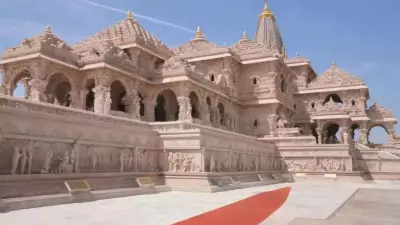
The Sacred Sapta Durga Pilgrimage of Tulunadu
For centuries, the spiritually vibrant coastal region of Tulunadu in Karnataka has been a bastion of devotion to Shakti, the divine feminine energy. This profound reverence is woven into the cultural fabric through rich oral traditions, intricate rituals, and ancient temple practices that have endured for hundreds of years.
The Seven Sister Goddesses: Guardians of the Land
Central to this spiritual landscape are the Sapta Durgas, revered as seven sister deities believed to possess powers surpassing even those of Goddess Durga herself. Local lore and temple traditions hold that these goddesses descended upon Tulunadu to safeguard the land and its inhabitants, establishing a sacred network of interconnected shrines known as Shaktikendras, or centers of divine feminine power.
Coastal communities feel an intense, personal connection to these temples, viewing the weekly pilgrimage as one of the most soul-enriching practices available to devotees.

The Weekly Pilgrimage: A Journey of Faith and Unity
Every Friday, faithful from the Dakshina Kannada and Udupi districts embark on a religious circuit encompassing all seven shrines. This day is traditionally dedicated to worshipping the Goddess, with many believers convinced that visiting all Sapta Durga temples within a single day brings immense good fortune, divine protection, and answered prayers.
Families typically commence their journey at dawn, traversing the picturesque coastline to complete the circuit before nightfall, transforming the pilgrimage into both a spiritual undertaking and a cherished cultural event.
The Seven Temples: A Spiritual Lineage
Each temple represents one of the seven sisters, forming a holy lineage that structures the pilgrimage route:
- Chitrapura Durgaparameshwari: Located near Udupi in Chitrapura, this shrine honors Durgaparameshwari, the eldest sister, and serves as the inaugural stop on the pilgrimage.
- Bhagavathi Sasihitlu: Situated close to the scenic Sasihitlu beach, this temple is dedicated to Goddess Bhagavathi, another potent manifestation of Shakti.
- Polali Rajarajeshwari: Among the most renowned Shakti temples, the Sri Rajarajeshwari Polali temple in Dakshina Kannada attracts multitudes of devotees who pray before its unique clay idol, noted for its transformative qualities.
- Durgaparameshwari Kateel: Perched on an island in the Nandini River, this iconic temple in Karnataka's coastal belt is famed for the goddess's purported ability to shield followers from misfortune and bestow prosperity.
- Mundkur Durgaparameshwari: An ancient shrine near Karkala, this vital pilgrimage stop allows visitors to experience potent spiritual energies and participate in time-honored rituals.
- Durga Devi of Kunjarugiri: Nestled on the Kunjarugiri hill near Udupi, this tranquil temple offers breathtaking vistas and a serene atmosphere where locals seek the goddess's safeguarding blessings.
- Bappanadu Durgaparameshwari: The final temple in the series, located near Mulki, is historically linked to a Muslim devotee named Bappa Beary, reflecting the region's inclusive spiritual heritage.
Cultural and Spiritual Significance
The Sapta Durga pilgrimage is far more than a religious routine; it is a vibrant expression of community identity and cultural preservation. Locals firmly believe that the seven sisters collaborate harmoniously to protect Tulunadu and ensure the prosperity of its people.
These temples also play a crucial role in sustaining the distinctive religious traditions of coastal Karnataka, including vibrant festivals, communal gatherings, and ceremonial practices that have been passed down through generations. This enduring legacy continues to inspire devotion and foster a deep sense of spiritual belonging among the region's inhabitants.