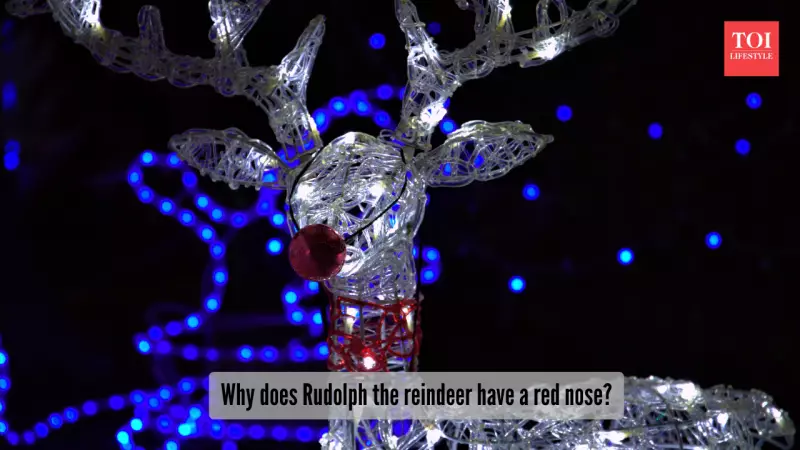
Every Christmas, the image of Santa's sleigh led by Rudolph, the reindeer with a glowing red nose, fills hearts with joy. His iconic 'Ho-Ho-Ho!' and radiant beacon cutting through foggy skies are central to festive lore. But what is the real story behind that famous crimson snout? Is it pure magic, or does nature hold the key? Let's delve into the fascinating blend of folklore and science that explains Rudolph's signature feature.
The Legend of Rudolph: From Storybook to Stardom
The tale of Rudolph began not with ancient myth, but in a 1939 storybook created by Robert L. May for the Montgomery Ward department store. This Depression-era creation became an instant hit, selling millions of copies. A decade later, the character truly soared to fame when Johnny Marks penned a song about him, which was famously recorded by singing cowboy Gene Autry in 1949. This track spawned over 2,000 cover versions, cementing Rudolph's place in pop culture. The beloved 1964 stop-motion film further solidified his image. Yet, the question persisted: why is his nose red?
Scientific Theories Behind the Glow
Beyond the festive magic, compelling scientific explanations offer a glimpse into the real-world biology of reindeer that could inspire Rudolph's story.

Arctic Adaptations and Cold Weather Symptoms
Reindeer, native to harsh Arctic climates, have evolved remarkable nasal physiology. Research indicates their noses can be up to 10°C warmer than their core body temperature. This vascular flush, a rush of blood to the nose, helps warm the frigid air they breathe before it reaches their lungs, improving efficiency. A 2012 Dutch study using thermal imaging confirmed this effect during physical exertion. Just like humans get a red nose from a cold or flu, reindeer can experience nasal inflammation in the brutal winter, causing blood vessels to swell and tint the nose—a possible mundane origin for Rudolph's condition.
The Pesky "Snot Bot" Infestation
Perhaps the most startling theory involves parasites. Rudolph's red and shiny nose might be the result of an infestation by the Cephenemyia deer nose botfly, colloquially known as "snot bots." Female botflies shoot live larvae into the nostrils of reindeer. These larvae then migrate to the throat and sinuses, living for months and feeding on mucus. This irritating presence causes inflammation and violent coughing fits, eventually ejecting the larvae. When expelled, these mucus-covered larvae can give the nose a wet, shiny, and reddened appearance. Reports from the Natural History Museum and Norwegian studies on reindeer herding have linked such botfly infestations to respiratory issues and nasal irritation, especially during peak fly seasons.
Folklore Meets Fact: The Enduring Mystery
The charm of Rudolph's story lies in this beautiful intersection of imagination and reality. While the original tale was a creative masterpiece for its time, it intriguingly aligns with observable natural phenomena in reindeer biology. The vascular flush for warmth and the irritation caused by botfly larvae both present plausible, science-backed reasons for a reindeer's nose to appear red and glowing. It seems the magic of Christmas and the wonders of nature are not so far apart. So, this festive season, when you sing about Rudolph guiding Santa's sleigh, remember there's a slice of fascinating Arctic science shining right along with his legendary nose.