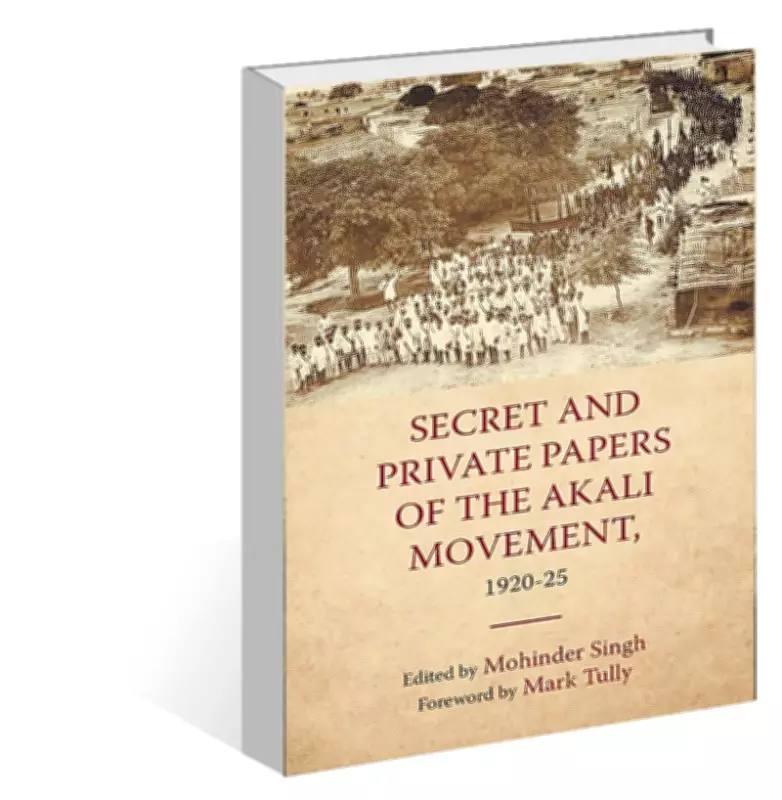
Secret and Private Papers of the Akali Movement (1920-25) Illuminate a Pivotal Struggle
A recent book review has brought to light a significant collection of secret and private papers from the Akali Movement, spanning the critical years from 1920 to 1925. This period marks a transformative phase in Sikh history, as the movement evolved in response to colonial pressures and internal dynamics. The documents, long held in private archives or obscured from public view, offer an unprecedented glimpse into the inner workings of this influential socio-religious and political campaign.
Unveiling Hidden Strategies and Internal Debates
The papers reveal the intricate strategies employed by Akali leaders to mobilize support and challenge British authority. Detailed correspondence, confidential meeting notes, and personal diaries expose the debates over tactics, from non-violent protests to more confrontational approaches. These sources highlight how the movement navigated the delicate balance between religious reformation and political activism, often amid factional disagreements and external threats.
The Changing Contours of the Struggle
As reviewed, the collection traces the evolution of the Akali Movement's goals and methods over this five-year span. Initially focused on gaining control of Sikh gurdwaras from corrupt mahants, the struggle gradually expanded to address broader issues of Sikh identity and rights under colonial rule. The papers document key events, such as the Gurdwara Reform Movement and the Nankana Sahib massacre, providing fresh perspectives on how these incidents shaped the movement's trajectory and public perception.

Insights into Leadership and Ideological Shifts
The private papers offer candid insights into the roles of prominent figures like Master Tara Singh and others, revealing their personal convictions and leadership challenges. Ideological shifts are evident as the movement grappled with questions of nationalism, communalism, and alliance-building with other Indian political groups. This material enriches our understanding of how the Akali Movement contributed to the larger tapestry of India's freedom struggle, while maintaining its distinct Sikh character.
Significance for Historical Scholarship
This review underscores the importance of such archival discoveries in revising and deepening historical narratives. By accessing these secret documents, scholars can now analyze the Akali Movement with greater nuance, moving beyond public proclamations to the private deliberations that drove its course. The papers serve as a vital resource for re-evaluating this era, offering lessons on resistance, organization, and the interplay of religion and politics in colonial India.