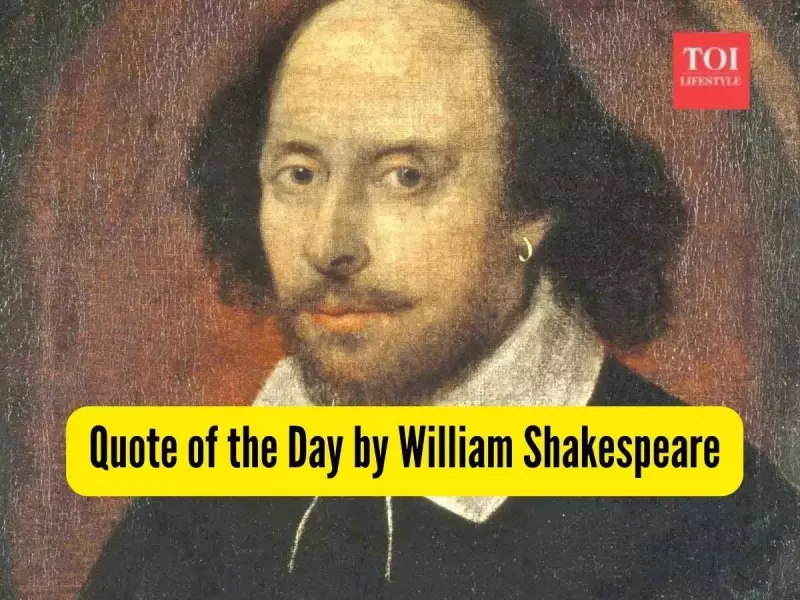
William Shakespeare's name is synonymous with the pinnacle of English literature. This literary colossus, born in 1564 in Stratford-upon-Avon, England, crafted a body of work so profound that it is impossible to envision the language without his influence. From everyday phrases to deep explorations of the human condition, his legacy is woven into the very fabric of global culture.
The Life and Times of the Bard
The son of a glove-maker, John Shakespeare, and Mary Arden, William was the third of eight children. He married Anne Hathaway at 18, and they had three children: Susanna and the twins Hamnet and Judith. The tragic early death of his son Hamnet at age 11 is a somber note in his personal history.
Historical records grow sparse between 1585 and 1592, but by the latter date, he had established himself in London. There, he flourished as an actor, playwright, and a shareholder in the famed theatre company, the Lord Chamberlain's Men, later known as the King's Men. His success brought him wealth, leading to his retirement around 1613. He died in 1616, with his passing traditionally marked on St. George's Day, which is also possibly his birthday.

A Prolific Legacy of Plays, Poems, and Sonnets
Between 1589 and 1613, Shakespeare produced an astonishing collection of works that continue to captivate audiences. His portfolio includes:
- 39 plays spanning comedies (A Midsummer Night's Dream), histories (Henry VI), and profound tragedies like Hamlet, Othello, King Lear, and Macbeth.
- 154 sonnets, each a compact vessel of poetic wisdom and emotional depth.
- Two celebrated narrative poems, Venus and Adonis (1593) and The Rape of Lucrece (1594).
He also mastered the 'problem play,' as seen in All's Well That Ends Well (c. 1604-1605), and later 'romances' like The Tempest, which blended genres to mirror life's complexity.
The Architect of Modern English
Shakespeare's technical and linguistic genius is unparalleled. He was a master of blank verse—unrhymed iambic pentameter—which he used to mimic the natural rhythm of speech and human emotion. His iconic soliloquies, such as Hamlet's "To be or not to be," provide unparalleled insight into a character's psyche.
Remarkably, Shakespeare is credited with inventing over 1,700 words and phrases that are still in common use today, including "eyeball," "swagger," and "break the ice." His works were so definitive that they became the most quoted source in Samuel Johnson's seminal dictionary, helping standardize English grammar during a period of great flux.
Timeless Wisdom from 'All's Well That Ends Well'
The enduring relevance of Shakespeare's work is clear in its quotable wisdom. In All's Well That Ends Well, the Countess of Roussillon offers her son Bertram advice that resonates across centuries:
“Love all, trust a few, Do wrong to none: be able for thine enemy Rather in power than use; and keep thy friend Under thy own life's key: be check'd for silence, But never tax'd for speech.”
This counsel champions universal kindness while advocating for prudent caution. It advises preparedness over aggression, fierce loyalty in friendship, and the value of thoughtful silence over reckless speech. It serves as a timeless guide for navigating a world of ambition and deceit with integrity.
Shakespeare's influence stretches far beyond literature, shaping fields from psychology (inspiring Freud's analysis of Hamlet) to global cinema, including countless Bollywood adaptations. His profound understanding of human conflicts ensures his characters and stories remain eternally relevant, securing his status as the cornerstone of modern English literature.