Sohrai Art: Jharkhand's Living Wall Tradition Now Empowers Women
Deep in the heart of Jharkhand, a vibrant tradition paints walls with stories of gratitude. Sohrai, the indigenous wall art from Hazaribagh district, celebrates nature's bounty in brilliant earthy colors. This art form, traditionally painted a day after Diwali, turns humble village walls into living archives of ecological reverence.
From Mud Walls to National Recognition
Sohrai art has journeyed far from its tribal origins. The art form gained national attention through Kala Utsav at Rashtrapati Bhavan in 2025 and mentions in the Prime Minister's Mann Ki Baat in 2024. Artists now paint expansive wallscapes across Indian cities, bringing Jharkhand's indigenous art to urban audiences.
In 2020, Sohrai received the prestigious Geographical Indication tag along with Khovar art. This recognition protects its unique identity and cultural heritage. While Hazaribagh remains its cultural heartland, Sohrai art now flourishes across multiple districts of Jharkhand.

Celebrating Ecology Through Earthy Colors
Sohrai artists create their magic using natural materials found abundantly in their surroundings. They prepare pigments from mineral-rich mud, grasses, Sal tree stems, and twigs. Traditional bamboo brushes apply these earthy colors to mud-adorned walls.
The art traditionally uses four distinct shades derived from local mud:
- Laal or gerua mitti (red ochre)
- Kali mitti (black)
- Peeli mitti (yellow ochre)
- Safed mitti (kaolin clay or charak mitti)
While these natural colors remain central to traditional practice, contemporary artists now incorporate acrylic and enamel colors. This innovation creates modern artefacts that carry traditional motifs into new forms.
Nature's Bounty on Display
Sohrai themes emerge directly from the natural world. Artists paint domesticated animals, lush forests, detailed naturescapes, and various plants. Fish, tortoises, flowers, trees, peahens, cattle, and birds come alive on walls and handicrafts.
The art form celebrates livestock as family members rather than mere rural assets. During Sohrai celebrations, communities worship cattle with small aarti ceremonies. They adorn animals with flowers, garlands, rice flour, vermilion, and turmeric. Households prepare special offerings including dhaan ki kheer and other rice-and-jaggery delicacies for their livestock.
Transforming Lives Through Art
Kamini Sinha's story illustrates Sohrai's transformative power. The 50-year-old artist from Ranchi district began her artistic journey with Madhubani painting. She shifted to Sohrai art in 2010 as the form gained wider recognition.
"After marriage," Sinha recalls, "there was a long list of what I should not do, but no list of what I could." Determined to build something unique within "ghar ki chaar deewari," she started working with other village women who wanted to practice art from home.
Building Economic Independence
Sinha recognized Sohrai's potential beyond wall paintings. She diversified the art into functional and decorative handicrafts. Her enterprise, Om Creations in Ranchi's Booty More, now supports more than 35 women.
The store stocks an impressive range of Sohrai products:
- Wallets and purses
- Trays and paintings
- Wall hangings and coasters
- Tablecloths and greeting cards
- Plates and mementos
- Bookmarks and envelopes
- Sarees and stoles
Sinha's products range from Rs 100 envelopes to Rs 15,000 sarees. The government's Tribes India initiative helps popularize her creations. She regularly sells to government clients and visitors through various exhibitions.
Financial Freedom Through Creativity
"Earlier, we had to ask our husbands for money," Sinha explains. "Today, we don't need to ask for even a single rupee. Our in-laws support us because we are financially independent."
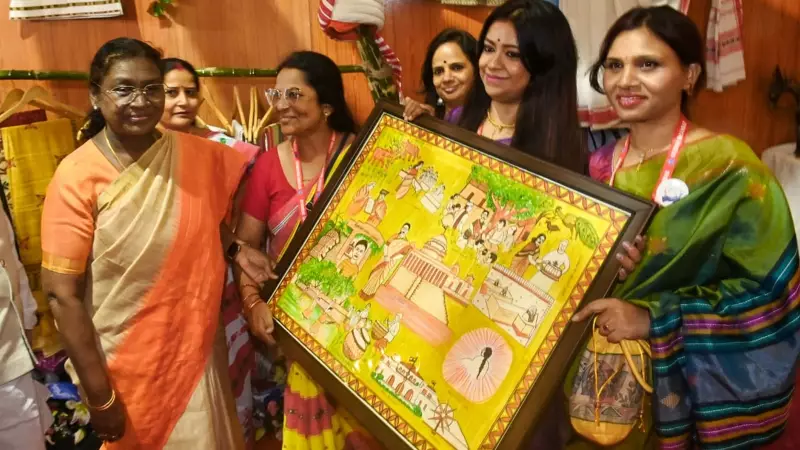
Her work has traveled internationally to Dubai and Singapore. One memorable achievement involved gifting a Sohrai painting titled 'From Mayurbhanj to Raisina Hill' to President Droupadi Murmu. The artwork traced the President's inspiring journey.
"I might have become a school teacher," Sinha reflects. "But with Sohrai, I was able to showcase some of my art to the President of India."

Sustainability and Challenges
Sinha believes Sohrai represents a creative way to respect nature's abundance while maintaining sustainability principles. The art form uses natural materials and celebrates ecological balance.
However, challenges remain. Visibility and sustained marketing support, particularly on digital platforms like Instagram, present ongoing hurdles. Government schemes have proven crucial in overcoming these obstacles.
Programs like the Prime Minister's Employment Generation Programme, Mudra loans, and Startup India initiatives provide essential support to entrepreneurs like Sinha. She now plans to organize Self-Help Groups around Sohrai art to further popularize the tradition.
A Living Tradition Evolves
Sohrai art continues to evolve while maintaining its cultural roots. What began as wall paintings celebrating harvest and livestock has transformed into a vehicle for women's empowerment. The art form bridges tradition and modernity, ecology and economy, cultural preservation and contemporary innovation.
From Hazaribagh's village walls to international exhibitions, Sohrai carries forward Jharkhand's rich cultural heritage. It demonstrates how traditional art forms can adapt to modern contexts while creating sustainable livelihoods for rural communities.