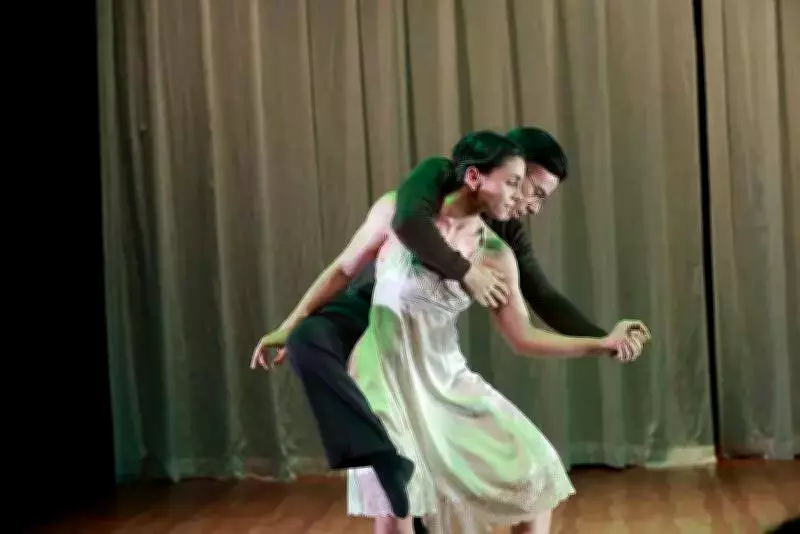
Spanish Play at ITFoK Explores Lucia Joyce's Artistic Struggle Against Patriarchal Norms
In a compelling performance at the International Theatre Festival of Kerala (ITFoK) in Thrissur, Cristina D Silveira, the director of the Spanish play 'Lucia Joyce, A Small Drama in Motion', emphasized that theatre should not be pedagogic but rather serve as a mirror for audiences to reflect on their social and personal experiences from a broader perspective. We don't want to give answers to the audience; let each of them find answers from their own perspective, she stated, highlighting the play's intent to provoke thought rather than provide solutions.
Poetic Probe into Sanity and Insanity
The play, which delves into the thin line between sanity and insanity, depicts the complex struggles of a woman fighting against her family to pursue her artistic passions. This narrative resonated deeply with the audience, earning widespread applause for its intense and thought-provoking approach. Silveira expressed concern over a troubling trend: It is disturbing to note that several members of the youth in our country, and in several other countries, are becoming advocates for restoration of the earlier patriarchal conservative social orders. She added that plays like this aim to remind them of the oppressive and exploitative nature of such systems.
Artistic Dimensions and Technical Brilliance
Spanning 70 minutes, the play showcased multiple artistic dimensions that captivated viewers:

- Intense Performances: The actors delivered powerful portrayals that brought the emotional depth of the story to life.
- Exquisite Film Clippings: Carefully selected film segments were woven seamlessly into the theatrical narrative, enhancing the storytelling.
- Effective Use of Technology: Technology was employed to integrate these clippings smoothly, creating a cohesive visual experience.
- Aesthetically Brilliant Choreography: The dance and movement sequences added a layer of beauty and expression to the performance.
Lucia Joyce's Story: A Tale of Forgotten Talent
The play begins with a poignant film clip featuring Lucia, a 75-year-old patient in a UK hospital, attempting to write a letter to encapsulate all the unsaid words of her life. I want to say goodbye, but I don't know to whom, she is heard saying, setting the tone for a journey of reflection and redemption. Lucia, the daughter of renowned writer James Joyce, was an extraordinarily talented dancer who lived in her father's shadow. In a society that prioritized literature over dance, her artistic dreams were consistently trampled upon.
Produced by the Spanish dance and drama company Carlís Danza Teatro, the play is a heartfelt attempt to reclaim the dignity and personality of this forgotten artist from written histories. As part of her life review, Lucia recalls moments with significant figures in her life:
- Samuel Beckett: Her great love, whose influence shaped her emotional world.
- Carl Gustav Jung: Her psychoanalyst, who delved into her psyche and struggles.
- Alexander Calder: Her painting teacher, who added another dimension to her artistic pursuits.
In a seamless transition from film clips to the theatre stage, Lucia appears in her younger form, vividly recounting these incidents through her letter. Ultimately, this letter, written on the last day of her life, serves as an act of love for dance, freedom, and life itself. It is a defence of the art of feeling and a poignant appeal to her babbo (father), encapsulating her lifelong battle against patriarchal constraints and her unwavering passion for artistic expression.