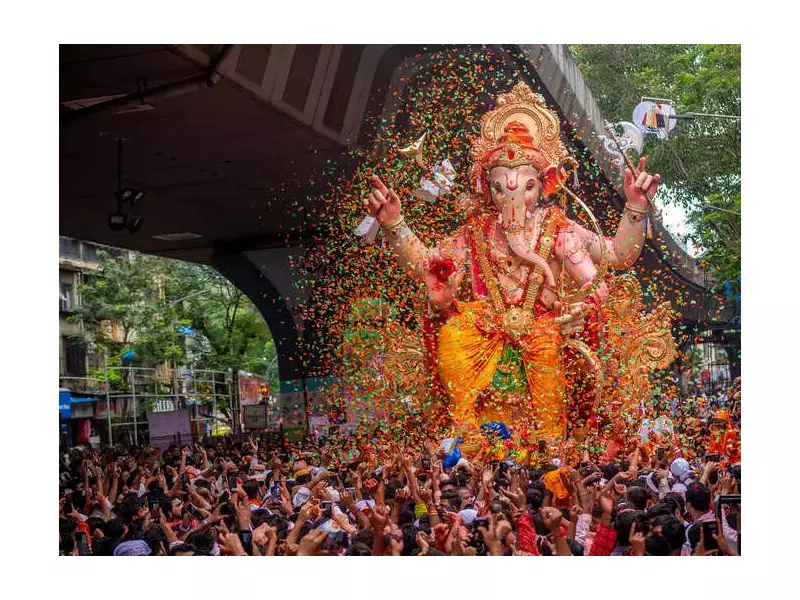
In the vibrant tapestry of Indian festivals, few sounds resonate as powerfully as the collective cry of "Ganapati Bappa Morya." This chant, bursting with raw emotion, marks the arrival of Lord Ganesha, fills the days of celebration, and reaches a poignant crescendo during the visarjan, or immersion. While it is a loud, rhythmic, and communal expression, its essence is deeply personal for every devotee. Yet, many chant without pausing to unravel its profound meaning. This phrase is far more than devotional noise; it is a compact spiritual philosophy, encapsulating surrender, hope, and the promise of return in one powerful breath.
Deconstructing the Divine Invocation: Ganapati, Bappa, Morya
To grasp the full weight of the chant, one must understand the spiritual significance of each component. Ganapati is not merely the 'remover of obstacles' in a superficial sense. The term 'gana' refers to the multitude—the countless thoughts, impulses, karmic patterns, and tendencies that create chaos within and around us. 'Pati' means lord or master. Therefore, Ganapati represents the supreme intelligence that brings order to this multiplicity. Invoking him at the start of any endeavor is an act of aligning the mind, grounding awareness, and overcoming internal obstacles like confusion, fear, and scattered intention before external ones.
The word "Bappa" transforms the relationship from reverence to intimacy. In Marathi and other Indian cultures, 'Bappa' means father—not a distant authority figure, but a protective, forgiving, and loving guardian. Addressing 'Ganapati Bappa' dissolves fear and fosters a childlike trust. It signifies a surrender free from terror and a faith devoid of calculation, creating an emotional safety net for the devotee.

The most profound layer is added by "Morya," which transcends historical links to saints or dynasties. Spiritually, it is a call of return and continuity. During visarjan, chanting "Morya" is not a final goodbye; it is an affirmation of an eternal cycle. It reassures that the divine presence, having arrived and resided, will come back again. This mirrors the core spiritual truth of life itself: birth, presence, dissolution, and rebirth, teaching acceptance of impermanence without despair.
The Chant's Dual Role: Celebration and Letting Go
The beauty of "Ganapati Bappa Morya" lies in its function at two opposing moments. At the welcoming ceremony, the chant is celebratory and invocatory, calling the divine presence into homes, streets, and hearts. During immersion, the same words swell with emotion, but not of loss. Instead, they become a reminder of trust—that what leaves form does not leave consciousness. This teaches a pivotal lesson: nothing sacred is ever lost, only transformed. The immersion ritual is spiritually the opposite of letting go of God; it reinforces that divine intelligence lives in cycles and consciousness, not confined to idols.
The Power of Collective Chanting and Inner Alignment
This chant is designed to be shouted, not whispered. There is deep wisdom in this collective practice. When hundreds of voices unite in "Ganapati Bappa Morya," individual egos momentarily dissolve. Breath synchronizes, emotions align, and a sense of shared community elevates into shared consciousness. It fosters shared vulnerability and surrender. Interestingly, the chant is not a request or a bargain; it does not ask for boons or solutions. It simply calls the presence and affirms return. This shifts devotion from a transactional plea to a state of inner alignment and stabilized faith, preparing the mind to act wisely rather than expecting life to become convenient.

The enduring power of "Ganapati Bappa Morya" over centuries lies in its perfect balance of core human needs: the need for guidance (Ganapati), the need for emotional safety (Bappa), and the need for continuity and hope (Morya). It keeps devotion accessible, rhythmic, and emotionally honest without over-intellectualizing faith. At its deepest level, this iconic chant is about stabilizing the inner world—grounding it before action, trusting during presence, and having faith in return during release. It echoes long after the festival drums fade because it reassures us of a timeless truth: what is truly aligned in consciousness never truly leaves.