Uncovering the Hidden Stories of Martin Luther King Jr.
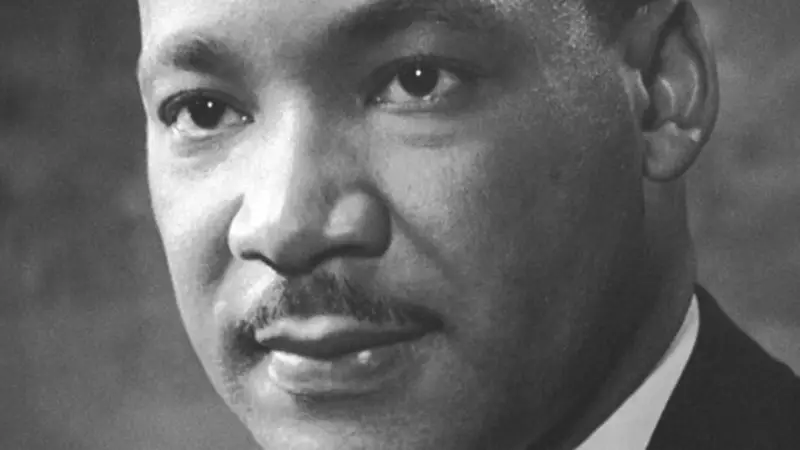
Martin Luther King Jr. stands as a towering figure in history, celebrated for his leadership in the American civil rights movement. Yet, beyond the famous speeches and iconic moments, many surprising facts about his life remain less known. Let's dive into some of these intriguing details that paint a fuller picture of the man behind the legend.
His Original Name Was Different
Did you know Martin Luther King Jr. was not born with that name? His father, Martin Luther King Sr., initially named him Michael King Jr. after himself. The change came in 1934 when King Sr. traveled to Germany and was inspired by the Protestant reformer Martin Luther. Upon returning, he legally changed both his and his son's names to honor this historical figure.
He Entered College at a Young Age
King demonstrated exceptional intellect from an early age. He skipped two grades in high school, allowing him to enroll at Morehouse College when he was just 15 years old. By 19, he had already earned his bachelor's degree in sociology, setting the stage for his future studies and activism.

The Nobel Peace Prize Money Went to the Movement
In 1964, Martin Luther King Jr. received the Nobel Peace Prize, becoming the youngest man to win the award at that time. What many people don't realize is that he donated the entire prize money, amounting to over $50,000, to support the civil rights movement. This selfless act underscored his commitment to the cause above personal gain.
He Survived an Early Assassination Attempt
Long before his tragic death in 1968, King faced a life-threatening attack. In 1958, while signing copies of his book in Harlem, New York, a woman named Izola Curry stabbed him with a letter opener. The blade came dangerously close to his aorta, but emergency surgery saved his life. Doctors noted that if he had sneezed, he might have died from the injury.
His Final Speech Was Prophetic
The night before his assassination, King delivered what would become his last public address, known as the "I've Been to the Mountaintop" speech. In it, he famously said, "I may not get there with you. But I want you to know tonight, that we, as a people, will get to the Promised Land." This poignant moment highlighted his awareness of the dangers he faced and his unwavering hope for the future.
He Was a Prolific Writer and Thinker
Beyond his oratory skills, King was a dedicated scholar and author. He wrote numerous essays, articles, and books, including "Stride Toward Freedom" and "Why We Can't Wait." His writings continue to inspire discussions on justice, equality, and nonviolence, reflecting the depth of his intellectual contributions.
These facts remind us that Martin Luther King Jr. was not just a symbol but a complex individual with a rich personal history. By exploring these lesser-known aspects, we gain a deeper appreciation for his legacy and the enduring impact of his work on civil rights worldwide.