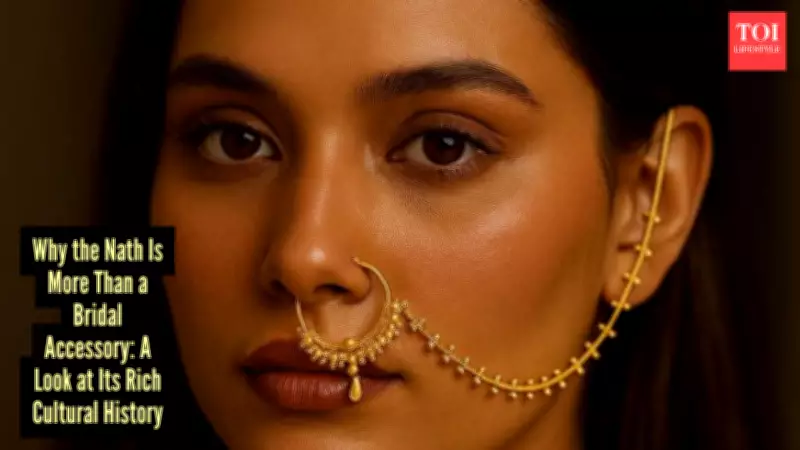
The traditional Indian nose ring, known as the nath, is one of the most recognisable pieces of jewellery in South Asian culture. From bridal nose rings to everyday delicate nose pins, it has become an everyday fashion staple, adorned for centuries. While it is most commonly worn by Indian women today, the origin of this ornament tells a far more fascinating story involving different dynasties and cultural identities.
The Surprising Origin of the Nose Ring
Nose piercing did not originate in India. It first emerged in the Middle East around 4,000 years ago. References to nose ornaments can be found in ancient texts and among nomadic tribes, where nose rings usually symbolised wealth, family status, and marital eligibility.
This tradition arrived in India during the mediaeval period through Persian and Mughal influences between the 13th and 16th centuries. The nose ring soon became integrated into Indian society and evolved over time. Each region adapted its own style, transforming the nath into a cultural identity.

Regional Variations of the Nath
- Maharashtra: The crescent-shaped Brahmani Nath is worn on the nose with coloured stones and pearls.
- Rajasthan: Large circular naths, which hang from the hair rather than the ear, were a symbol of royal elegance worn by queens.
- Punjab: Large, heavily embellished naths are considered a staple of bridal wear.
- Kashmir: Married women wear a dejhoor, a type of nose jewellery, along with a nath, both carrying significant cultural meaning.
- South India: Smaller nose rings and studs with double-sided piercings are more common.
A Symbol of Status and Beauty
Nose rings served purposes beyond decoration. The size, material, and craftsmanship reflected a family’s social standing and economic status. Gold naths adorned with pearls, diamonds, and emeralds became prized possessions among royal households; the greater the ring and decoration, the more prestige. The nath eventually became an ideal link to femininity, grace, and beauty in Indian art, folklore, and literature.
The Ayurvedic Connection
According to traditional Ayurvedic thought, the left nostril is believed to be linked with female reproductive organs. Some practitioners historically believed that piercing the left nostril could help ease menstrual discomfort and childbirth pain. While modern medical science has not conclusively proven these claims, this belief remains important in traditional practices.
More Than Just a Piece of Jewellery
The nath’s journey from ancient Middle Eastern traditions to becoming an enduring symbol of Indian culture reflects the dynamic nature of heritage itself. From royal courts, medicine, religion, migration, trade, and fashion, it is one of the most cherished adornments in India. It is a living symbol of identity and history, associated with tradition and self-expression.